
Last updated October 30, 2026
 Wrought iron
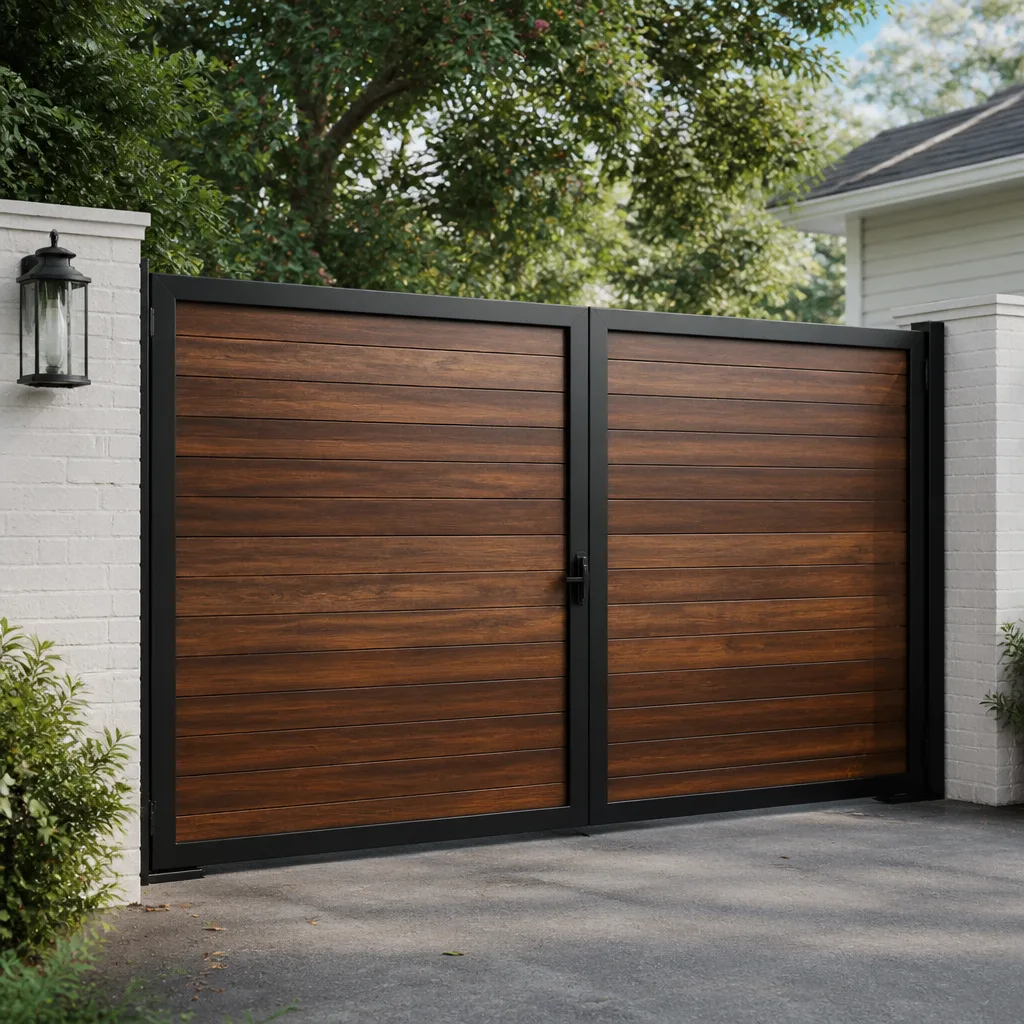 Wood & steel frame
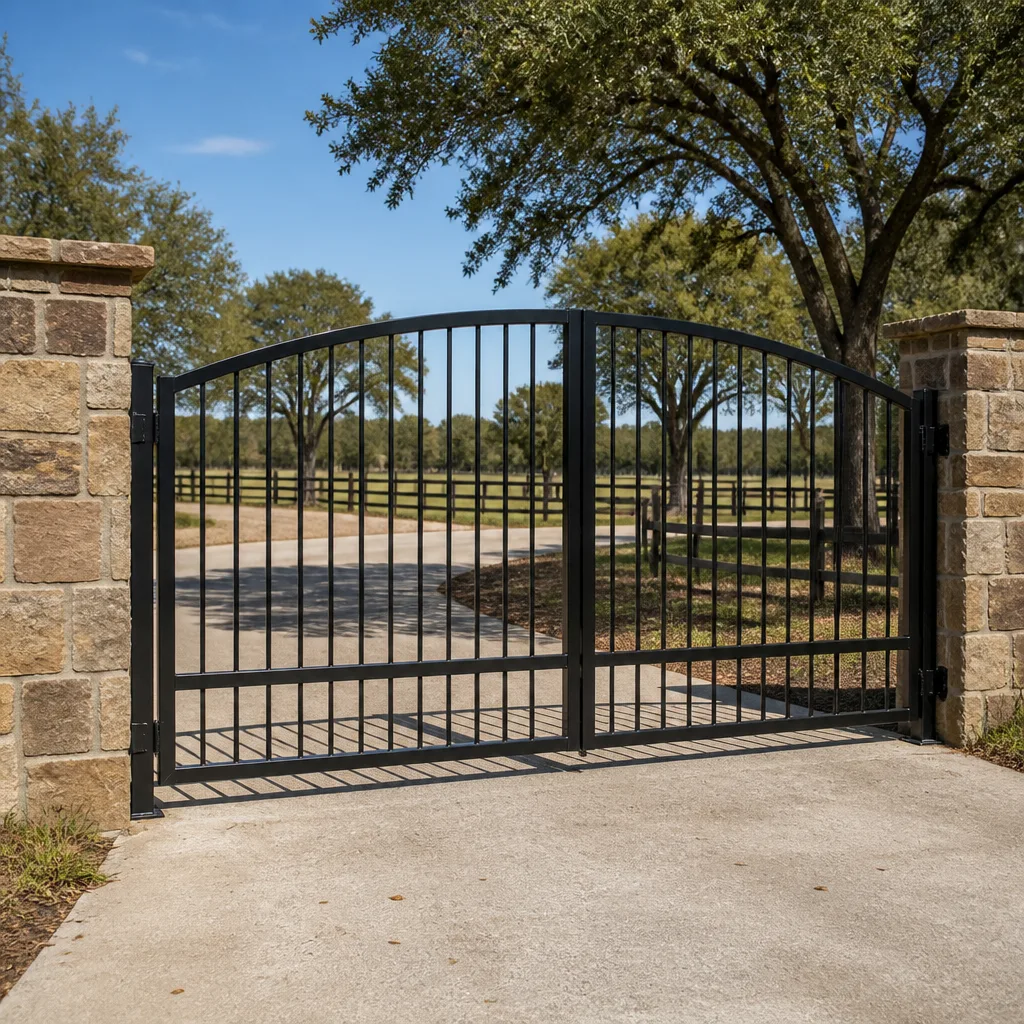 Farm & ranch
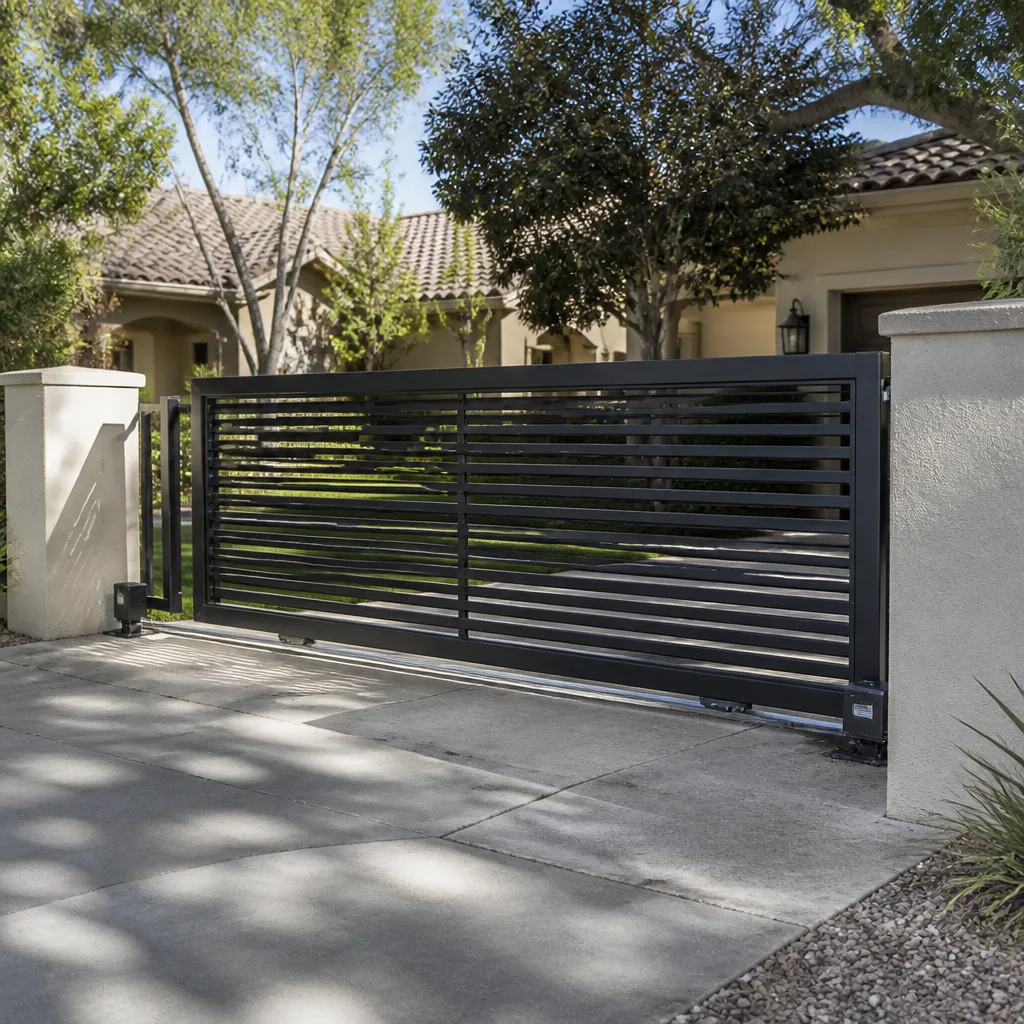 Sliding driveway gates
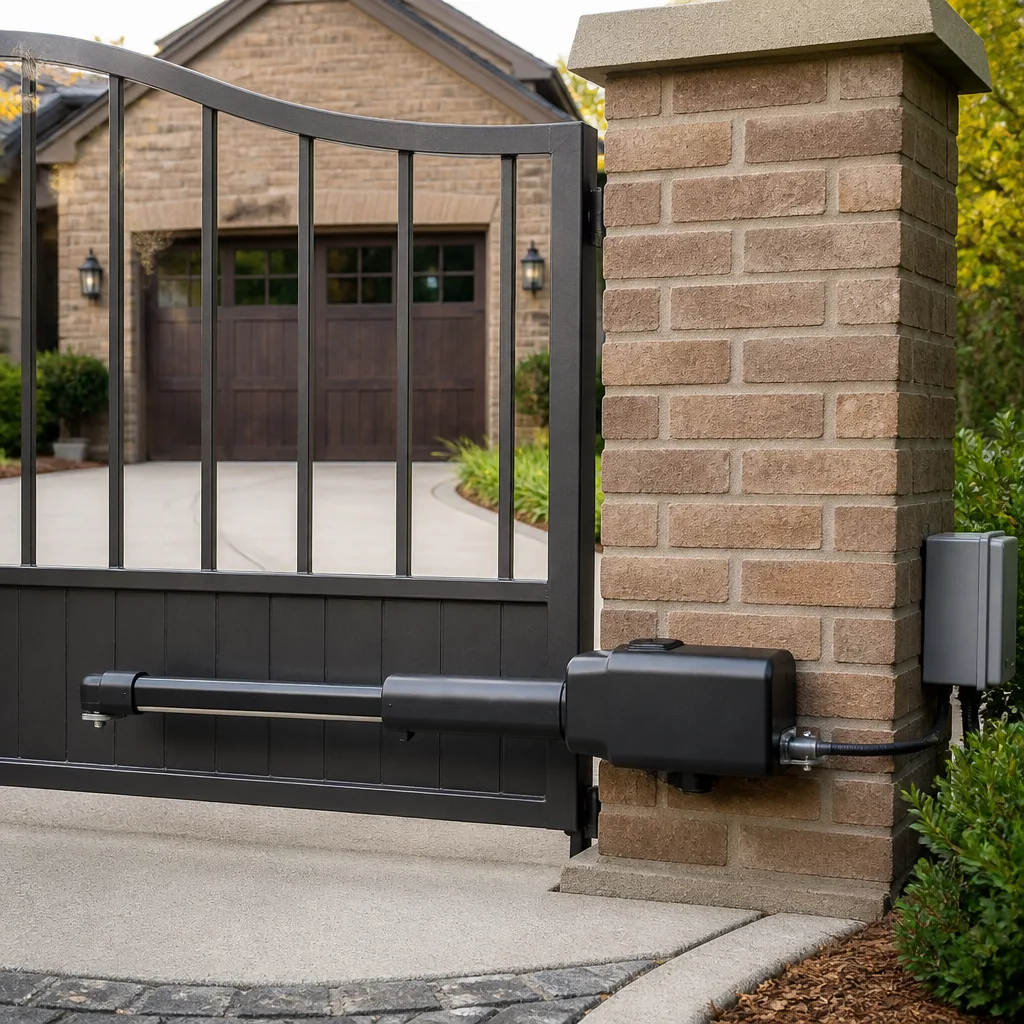 LiftMaster operators
Free on-site gate assessment - hinges, posts, and your LiftMaster or Nice gate operator checked before anything is quoted
The assessment is free and the quote is the invoice.
Get your free estimateThe Complete Guide to Gate Repair in Montclair
A gate that reverses before closing looks like a sensor problem, acts like a motor problem, and is actually a limit-switch problem about 60% of the time. Most repair guides never mention limit switches at all. That omission costs Montclair homeowners real money, because it sends them down a parts-replacement path before anyone has traced the real fault. This guide walks through the diagnostic framework our technicians use on every call in Montclair: mechanical wear, electrical failure, or installation error. By the time you finish, you’ll know what questions to ask, what a legitimate repair visit should include, and exactly when a repair is worth doing versus when the operator is telling you it’s done. For DIY vs Professional Gate Repair: The Montclair Homeowner’s Decision Guide, see our companion post.
Styles & brands we work with
Quick Answer
Gate repair in Montclair starts with identifying which of three root causes you’re dealing with: mechanical wear (hinges, arms, rollers, chains), electrical failure (control boards, safety loops, limit switches, motors), or installation error (misaligned tracks, improperly tensioned chains, undersized operators). A skilled gate technician traces the fault before replacing anything, and the right diagnosis determines whether you spend $40 on a limit switch or $4,000 on a new operator. Our Gate Repair services cover all three categories across nine major brands, including LiftMaster, FAAC, and DoorKing, so the diagnosis and the fix come from the same specialist.
Table of Contents
- The Three Root Causes of Every Gate Failure
- Brand-Specific Quirks That Change the Diagnosis
- Mechanical Failures: What Wears Out and When
- Electrical Failures: Boards, Loops, Motors, and Wiring
- Installation Errors: The Problems That Were Built In
- Repair or Replace: How to Know When It’s Over
- Gate Technician vs. Fence Contractor: Why It Matters
- What a Legitimate Repair Visit Should Include
- Common Mistakes to Avoid
- When to Call a Professional
- Frequently Asked Questions
- The Bottom Line
The Three Root Causes of Every Gate Failure
Every gate problem we encounter in Montclair falls into one of three buckets, and you can usually sort it yourself before calling anyone. Mechanical wear covers anything that moves and eventually degrades: hinges, wheels, chains, arms, rollers, and the gate’s own frame alignment. Electrical failure covers the control board, safety loops, limit switches, photo eyes, wiring, and the motor itself. Installation error covers problems that were baked in from day one: an operator that’s undersized for the gate’s weight, a track that wasn’t level, a chain tensioned too loose or too tight, or a concrete pad that settled after the posts went in.
Here’s the part most guides skip: these categories interact. A misaligned hinge (mechanical) forces the motor to work harder, which burns out the control board (electrical) a year later. A gate that was installed without enough clearance at the bottom (installation error) drags on a high spot in the concrete every cycle, which loosens the bracket bolts (mechanical) and eventually strips the drive gear. We trace the fault through these interactions, because fixing the symptom without addressing the root cause means you’ll call again in six months with a different-looking problem that’s actually the same one.
How to Identify Your Category Before Calling
- Listen to the gate. Grinding, scraping, or metal-on-metal sounds mean mechanical wear. Humming with no movement means electrical. A thump or clunk at a specific point in the travel usually means alignment.
- Watch the movement. Does it hesitate, slow down, or stop at the same spot every time? That’s mechanical binding. Does it work intermittently or after a power reset? That’s electrical.
- Check the history. Was the gate installed by a fence company that added the operator as an afterthought? Installation error is the default suspect on gates under five years old with recurring issues.
- Note what fixes it temporarily. If tapping the control board or resetting the breaker brings it back to life, you have an electrical fault. If pushing the gate manually is difficult even with the operator disengaged, the problem is mechanical.
This diagnostic-first approach is what separates a gate specialist from a general handyman. In Montclair, where automatic gates run the range from basic Mighty Mule systems on residential driveways to FAAC industrial operators on commercial lots, the brand and the specific failure mode determine the fix. Montclair Gate Repair home is built around that diagnostic skill set.
Brand-Specific Quirks That Change the Diagnosis
Every gate operator brand has its own failure fingerprints. Knowing them before you open the panel saves an hour of guesswork, and guessing wrong on a board replacement is a $300 to $800 mistake. Here’s what we see consistently across the brands most common in Montclair.
LiftMaster
LiftMaster residential and light-commercial operators are workhorses, but their limit-switch design is the weak point. The limit assembly sits inside the operator housing and uses a plastic gear that strips when the gate hits an obstruction too many times. The symptom is exactly what we described in the opening: the gate reverses before closing, or stops six inches short of the closed position. Homeowners replace photo eyes and safety loops before discovering it’s the limit switch, because the behavior mimics a sensor fault. We’ve also seen LiftMaster units where the control board’s diagnostic LEDs point to a safety-loop fault when the actual issue is a nicked loop wire underground. Tracing the loop circuit before replacing the board is the difference between a $200 repair and a $700 one.
FAAC
FAAC builds hydraulic and electro-mechanical operators that run for years in commercial settings, but they’re sensitive to what’s called hydraulic drift. On FAAC swing-gate models, the piston seals wear gradually, and the gate starts to creep open or closed on its own. The board compensates by issuing small corrections, which drains the capacitor and eventually throws an overload error. The untrained diagnosis is a bad motor or board. The actual fix is a seal kit and hydraulic fluid. FAAC units also use proprietary connectors on their wiring harnesses, so a technician who shows up without FAAC-specific tools can’t test the board in place. If a repair company says they work on all brands but doesn’t recognize a FAAC E124 board by sight, they’re about to learn on your dime.
DoorKing
DoorKing operators dominate apartment and condo gates in Montclair, and their quirks are tied to access-control integration. The operator itself is reliable, but the peripheral wiring, telephone entry systems, and loop detectors attached to it create the failure points most often. DoorKing boards are also sensitive to voltage fluctuations from older building electrical systems, and they’ll throw random fault codes when the supply drops below spec. We’ve traced more than one “failing” DoorKing board on a Montclair multi-unit property to a loose neutral in the building panel, not the operator at all. That’s the diagnostic difference in action.
Elite and Mighty Mule systems have their own patterns too, and our technicians arrive knowing them. The point here isn’t the brand list, it’s the principle: a technician who already knows what your specific operator does when it fails will fix it faster and cheaper than someone figuring it out with a multimeter and a prayer. If you’re dealing with an automated gate in electric gate repair in Sky Valley or anywhere else nearby, the same brand-first logic applies.
Mechanical Failures: What Wears Out and When
Mechanical components are the easiest failures to understand and the easiest to defer, which is exactly why small mechanical problems turn into big electrical bills. Here’s what wears, how long it lasts, and what it looks like when it’s failing.
The Usual Suspects
- Hinges and pin blocks: On swing gates, hinges carry the entire weight of the gate leaf. Montclair’s dry climate keeps rust at bay, but the constant cycle load still wears the pins oval over 5 to 8 years. A sagging gate that scrapes the driveway on the latch side is a hinge problem, not an operator problem.
- Slide-gate rollers and track: Rollers flat-spot over time, especially on heavier gates, and the gate starts to bind mid-travel. The operator compensates by drawing more current. More current means more heat. More heat means a shorter board life.
- Drive chains and belts: Chains stretch. That’s their job. But a stretched chain that isn’t tensioned will jump teeth on the sprocket, and every jump sends a shock load into the gearbox. Chains on residential gates typically need tensioning every 12 to 18 months, and replacement every 5 to 7 years depending on cycle count.
- Gate arms and articulation joints: Articulated arm operators, common on FAAC and DoorKing swing gates, rely on pivot points that wear. A wobbling arm isn’t just noisy, it’s changing the effective geometry of the operator and stressing the output shaft.
- Weldments and frame members: Steel gate frames flex with every cycle. Over years, weld joints near the hinge side crack, especially on gates with decorative but poorly engineered designs. A cracked weld changes the gate’s center of gravity and multiplies the load on the operator.
When Mechanical Wear Becomes An Electrical Emergency
Here’s the connection most homeowners miss: every mechanical resistance becomes an electrical load. A gate that’s 20% harder to move than it was new doesn’t just wear the hinges, it draws 20% more current through the board and motor. Run that condition for two years and the board fails. The homeowner sees an electrical fault and pays for a new board. Six months later, the new board fails too, because the binding hinge was never fixed. This is why a proper gate repair in Montclair checks mechanical resistance as part of every electrical diagnosis. You can’t fix the system by swapping parts that died as a symptom.
Electrical Failures: Boards, Loops, Motors, and Wiring
Electrical failures are where the real diagnostic skill lives, and where the most money gets wasted on wrong parts. Here’s how each component fails, what it looks like, and how to avoid paying for a repair that doesn’t stick.
Control Boards
The control board is the brain, and it fails in predictable patterns. Power surges, lightning, and voltage drops kill boards outright. Heat from a poorly ventilated enclosure degrades capacitors and solder joints over years. Most control-board failures present as intermittent behavior first: the gate opens but won’t close, or closes but won’t respond to the remote, or works every other day. By the time it stops entirely, the board was dying for months. The expensive mistake is replacing a board without checking what killed it. A surge-damaged board replaced without adding a surge protector is a repeat failure waiting to happen.
Safety Loops
Safety loops are wire coils embedded in the concrete on either side of the gate. They detect the metal mass of a vehicle and either hold the gate open or prevent it from closing on a car. Loop failures happen when the wire breaks, the sealant fails and moisture gets in, or the concrete cracks and shears the loop. The symptom is usually a gate that closes on a car, refuses to close at all, or flips into a fault mode. Loop testing requires a loop detector and an inductance meter, not a visual inspection. We’ve seen loops that looked perfect and tested completely dead.
Motors
Motors rarely fail without help. Most motor deaths are caused by a mechanical problem that overworked them. A motor that hums but doesn’t turn is often a bad capacitor, not a bad motor. A motor that trips the breaker immediately usually has a shorted winding, and that’s a replacement. The right test sequence matters here: check the capacitor, check the wiring, check the mechanical load, and only then condemn the motor. Jumping straight to motor replacement without checking the load means the new motor inherits the same problem that killed the old one.
Wiring and Connections
Montclair’s clay soil shifts with seasonal moisture changes, and that movement stresses underground conduit and wiring. We trace more intermittent faults in this area to wire breaks or corroded splices than to failed components. A wire that works today and fails tomorrow is the classic signature of a break that opens and closes with temperature or ground movement. Tracing it properly means opening every junction box, pulling the wire where possible, and testing for continuity under load. It’s tedious, and it’s exactly the work that separates a real diagnosis from a parts cannon.
Installation Errors: The Problems That Were Built In
Some gates never had a chance. They were installed wrong from the start, by crews that knew how to hang a fence but didn’t understand gate dynamics, operator sizing, or the difference between a residential and commercial duty cycle. Here’s what installation error looks like in the real world.
Undersized Operators
An operator sized for a 400-pound gate gets bolted onto a 700-pound gate because it was cheaper. The operator works at twice its rated capacity for a year, then dies. The replacement operator, if correctly sized, costs more than the original installation should have. We see this in Montclair on upgraded gates where the homeowner replaced a lightweight tube gate with a heavy privacy gate and kept the old operator. The operator was never the problem, the mismatch was.
Misaligned Slide Tracks
Slide gates ride on a track that has to be perfectly level across its full length. A quarter-inch dip becomes a bind point that strains the operator every cycle. Some installers shim the track with whatever’s handy, and the shims shift over time. The gate binds worse, the operator works harder, and the board fails younger. Leveling a track is a half-day job for a technician who knows it matters, and an ignored variable for one who doesn’t.
Improper Chain Tension
Chains set too tight load the gearbox and motor bearings constantly. Chains set too loose slap and jump sprockets. Both conditions shorten operator life. The correct tension on most residential slide-gate chains allows about an inch of deflection at the midpoint. It’s a ten-minute adjustment that requires knowing it exists.
Missing or Misplaced Safety Devices
Photo eyes mounted at the wrong height, safety loops missing from the exit side, edge sensors on swing gates that aren’t connected to the board, these are installation errors that become safety violations. In Montclair, automatic gates are subject to California’s building code requirements for entrapment protection, and an installation that skips those devices creates real liability. Fixing installation errors usually means redoing part of the work. That’s the honest answer. A gate that was never right will never be right until it’s corrected. If you need a gate installed correctly the first time, gate installation in Sky Valley shows what that looks like.
Repair or Replace: How to Know When It’s Over
Every operator eventually reaches the point where repairing it costs more than replacing it, and knowing where that line sits saves real money. Here’s the framework we use with Montclair customers.
Repair Makes Sense When:
- The operator is under 7 years old and the failure is a single identifiable component: a limit switch, a capacitor, a safety-loop wire, a hinge pin.
- The gate itself (frame, hinges, welds) is in good condition and the operator is the only failing part.
- The board is still available as a replacement part and the operator’s core components (motor, gearbox) test within spec.
- The failure was caused by an external event (power surge, vehicle strike, storm damage) and the rest of the system shows normal wear.
Replacement Makes Sense When:
- The operator is 10-plus years old and the failure is a board, because the replacement board costs 60 to 75% of a new operator and the rest of the unit is near its service life anyway.
- Multiple components have failed within a short period, which signals systemic aging rather than an isolated fault.
- The gate itself needs significant work: hinge replacement, frame repair, or complete track replacement. You’re rebuilding the system either way.
- The operator is undersized for the gate, as described above. Replacing a too-small operator with the same size just repeats the cycle.
- Parts for the brand are discontinued or require weeks of lead time, and the gate secures a property that can’t wait.
The honest answer is that some repairs are a bridge, not a destination. A $200 repair on a 12-year-old operator might buy another year, and that’s a reasonable choice if you’re budgeting for replacement. See our Gate Repair Cost Breakdown: The Montclair Homeowner’s Reference for 2026 for typical price ranges. But paying $800 for a board on an operator that’s already past its service life is spending new-operator money on old-operator time. We tell customers the truth about which category they’re in, because our reputation in Montclair depends on it more than any single invoice does.
Gate Technician vs. Fence Contractor: Why It Matters
Fence contractors build fences. Gate technicians fix automated gate systems. They’re different trades with different training, different tools, and different diagnostic skills. Using one for the other’s job is how gates end up in the installation-error category we described above.
The Fence Contractor’s Strengths
A good fence contractor welds, pours concrete, and hangs gates that swing straight and latch properly. They understand the physical structure. When your gate frame is bent, your posts are leaning, or you need a new gate built from scratch, the structural work is theirs.
The Gate Technician’s Strengths
A gate technician reads wiring diagrams, tests control boards, traces safety loops, programs access-control systems, and understands the failure modes of specific operator brands. When your LiftMaster reverses before closing or your FAAC creeps open on its own, the electrical diagnosis is theirs.
The Overlap Problem
Plenty of fence contractors in Montclair will install an operator on the gate they just built. Some do it well. Many don’t. The ones who don’t leave behind undersized operators, missing entrapment protection, and wiring that’s not code-compliant. Then the homeowner calls a gate technician to figure out why a three-year-old gate system keeps failing. The answer is usually found in the installation.
The ideal arrangement is a company that does both: understands gate dynamics from the structural side and operator electronics from the control side. That’s the full-scope capability we bring to every job, from a bent arm to a full installation, and it’s why we don’t have to refer you to someone else mid-project. If you’re in gate repair in Sky Valley territory, the same principle applies.
What a Legitimate Repair Visit Should Include
You shouldn’t have to guess whether a gate repair company did a thorough job. Here’s what a legitimate service visit in Montclair includes, so you can hold any contractor to that standard.
A Proper Inspection Sequence
- Visual inspection of the gate structure: hinges, welds, wheels, track alignment, and mounting hardware. Any technician who skips this and goes straight to the operator panel is missing the load side of the equation.
- Mechanical resistance test: the gate should be manually cycled with the operator disengaged. If it doesn’t move freely by hand, the mechanical problem gets documented before any electrical work begins.
- Electrical diagnostics: voltage checks at the board, continuity tests on loops and photo eyes, limit-switch function verification, and motor winding tests where applicable.
- Cycle test: the gate runs through multiple full open-close cycles while the technician watches for hesitation, noise, or intermittent faults that single-cycle testing misses.
- Documentation: a written description of what was found, what was replaced, and what was left. You should never be handed a verbal summary with no paper trail.
Parts Disclosure
A legitimate technician tells you what part failed, why it failed, and what the replacement part costs before they install it. They show you the failed part if you want to see it. They don’t install a $500 board and tell you it was “something electrical.” If a company won’t disclose parts, find another company.
Honest Assessment of Remaining Life
A technician who’s been doing this long enough can look at your operator’s overall condition and tell you whether this repair is the last one worth doing. That conversation is part of the service, not an upsell. We’d rather tell you the truth about your old FAAC or DoorKing unit than let you spend repair money on a system that’s already at end-of-life.
Common Mistakes to Avoid
- Replacing the operator before addressing the gate’s mechanical condition. Binding hinges, sagging frames, and misaligned tracks multiply the load on any operator. The new unit inherits the old problem and fails early.
- Replacing photo eyes when the limit switch is the fault. The reversing-before-closing symptom fools homeowners constantly. Limit switches fail far more often than photo eyes on most brands, yet photo eyes get replaced first because they’re visible and familiar.
- Ignoring safety-loop faults. A broken loop isn’t just an inconvenience, it’s a safety and liability issue. A gate that closes on a vehicle in Montclair creates a problem no one wants to explain to an insurance company.
- Buying parts from online marketplaces to save money. Used or off-brand boards often arrive with modified firmware, missing connectors, or undisclosed damage. The savings disappears the first time the part fails and you pay for another service call.
- Using a fence contractor for electrical diagnostics. A fence company that hangs gates is not the same as a technician who traces board faults. If your gate’s problem is electrical, call a gate technician.
- Deferring a small repair until it becomes a large one. That noisy hinge is telling you something. Every week you run the gate with extra mechanical resistance, you’re shortening the operator’s life. A $150 hinge repair today prevents an $800 board replacement next year.
When to Call a Professional
Call a gate professional when your gate is making noise it didn’t make before, moving differently than it used to, or failing intermittently. Those are early warning signs, and every one of them is cheaper to address before the component fully fails. Call immediately if the gate closes on a vehicle or person, if the operator sparks or smells burnt, if the gate won’t stay open or closed, or if safety devices like photo eyes or loops stop responding. Those are not tomorrow problems. Montclair Gate Repair offers free estimates in Montclair, call (866) 371-3309 and we’ll help you figure out what you’re dealing with before you spend a dollar on parts.
Frequently Asked Questions
Gate repair in Montclair typically ranges from $150 to $450 for most component-level fixes like limit switches, capacitors, hinge pins, or safety-loop repairs, while control-board replacements run $400 to $900 depending on the brand. Full operator replacements start around $1,200 for basic residential units and go up from there for commercial systems like FAAC or DoorKing. Call (866) 371-3309 for an exact quote on your specific system, estimates are free.
Many common gate repairs, failed limit switches, bad capacitors, loose chains, misaligned tracks, can be completed in a single service visit. More complex faults like underground wiring breaks or control-board replacement for older specialty brands may require a diagnosis visit followed by a parts-order and a second appointment. Call (866) 371-3309 to schedule, and we’ll tell you up front what your repair will require.
Check whether the gate moves freely by hand with the operator disengaged, check whether the breaker or GFCI for the operator is tripped, and note exactly what the gate does when it fails, whether it reverses, hums without moving, or trips instantly. That information gives the technician a head start on diagnosis and may save you a repeat visit. The price you’re quoted will be agreed before any work starts, so you’ll know the cost before we turn a wrench.
We service nine major gate-operator brands: LiftMaster, FAAC, BFT, Linear, Viking, Ghost Controls, DoorKing, Elite, and Mighty Mule. That coverage spans consumer-grade residential systems through industrial-commercial operators, so you don’t need to shop around based on which brand your gate happens to use.
Most residential gate operators in Montclair last 7 to 12 years with regular maintenance, while commercial operators on multi-unit properties typically run 10 to 15 years depending on daily cycle counts. Montclair’s dry climate is easier on metal components than coastal air, but the clay soil’s seasonal movement stresses underground wiring and can shorten the life of safety loops. Operators that are undersized for their gates or run with unresolved mechanical binding fail significantly earlier.
We handle the full electrical scope of automated gate repair: control-board diagnostics and replacement, safety-loop installation and repair, photo-eye alignment and replacement, limit-switch calibration, motor testing, and complete wiring trace work. Electric and automated gate repair is our core competency, not an add-on service. We trace the fault, board, loop, motor, or wiring, and fix the actual cause.
The Bottom Line
Gate repair in Montclair comes down to diagnosis before replacement. The three root causes, mechanical wear, electrical failure, and installation error, cover every gate problem we see, and the right category determines the right fix. Brand knowledge matters because a LiftMaster limit switch and a FAAC seal kit look like different problems but both masquerade as sensor faults. A legitimate repair visit includes full inspection, parts disclosure, and an honest assessment of whether your operator is worth repairing at all. If your gate is failing and you want a technician who already knows your brand, call (866) 371-3309 for a free estimate. Nine brands. One call.
Written by the team at Montclair Gate Repair, serving Montclair since 2013. Browse our more guides & resources.
See the difference
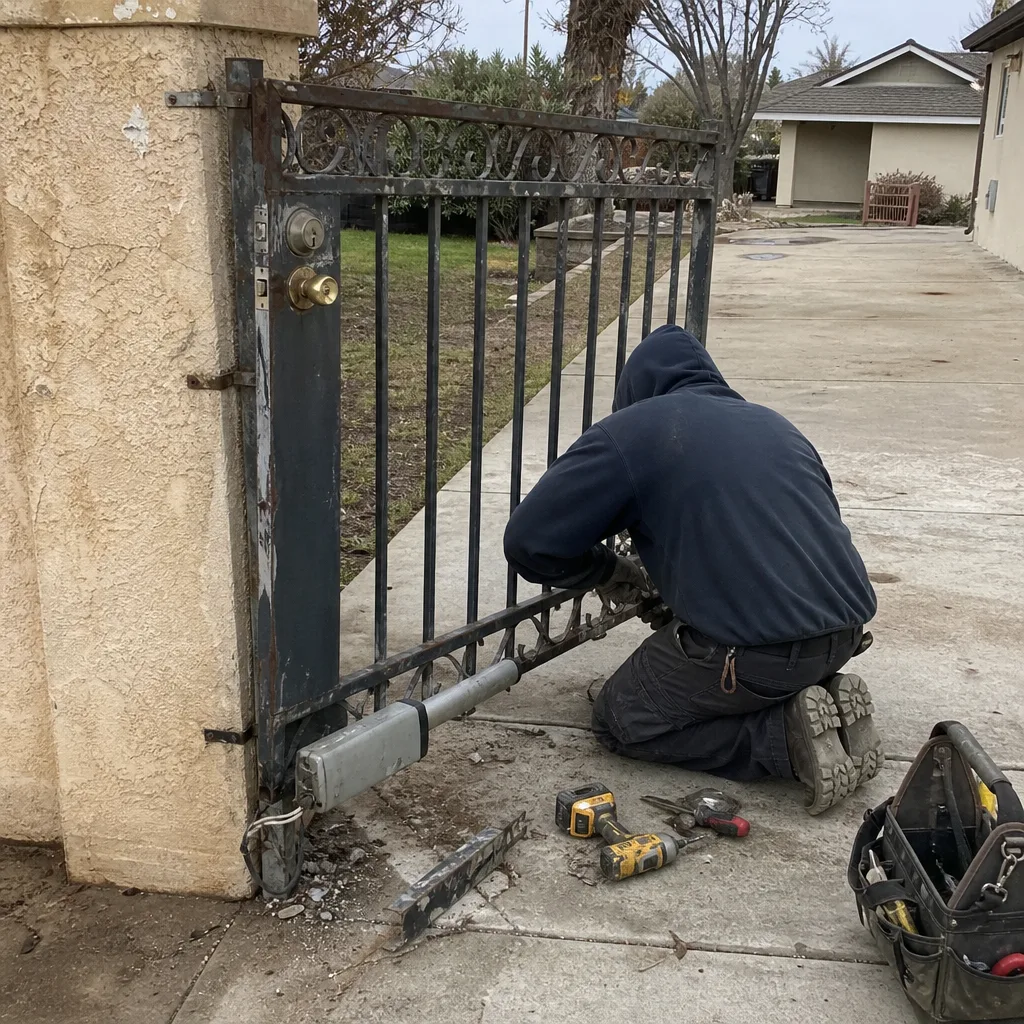 Before
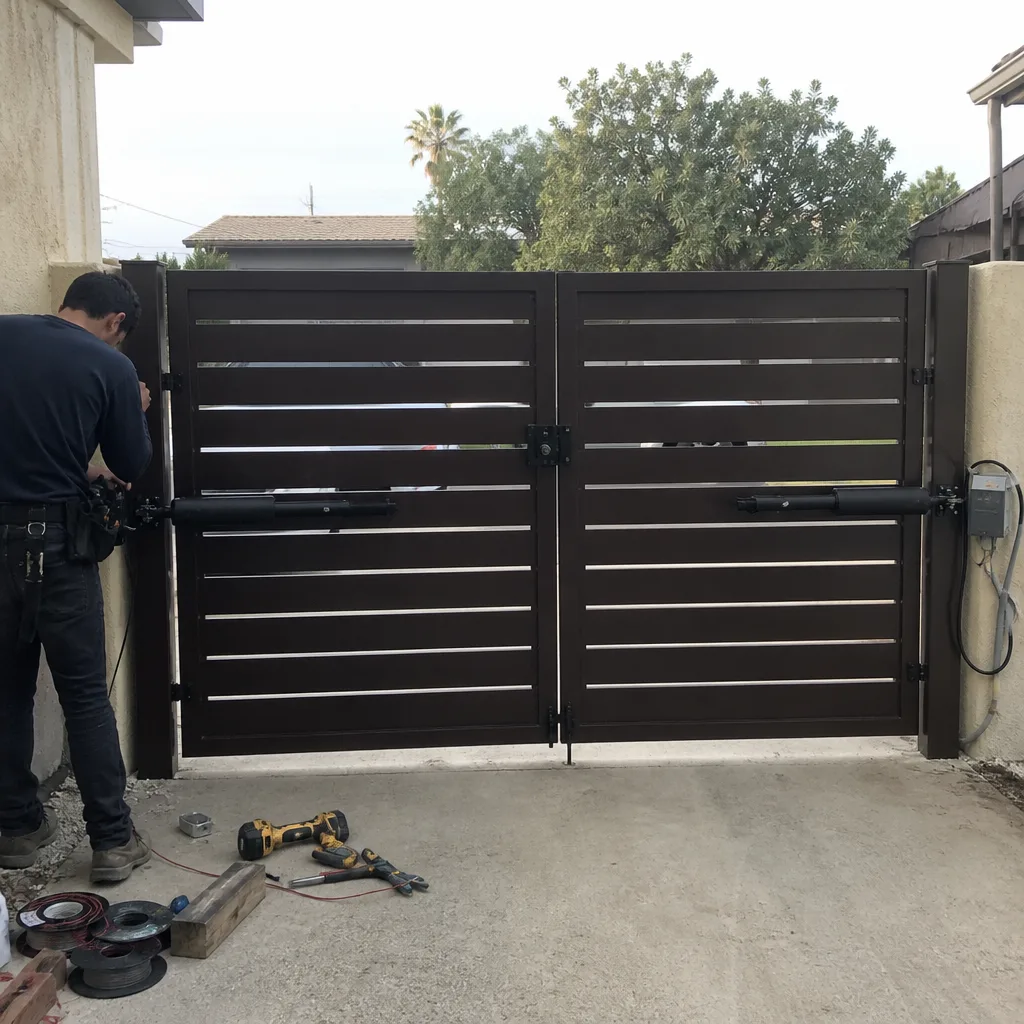 After
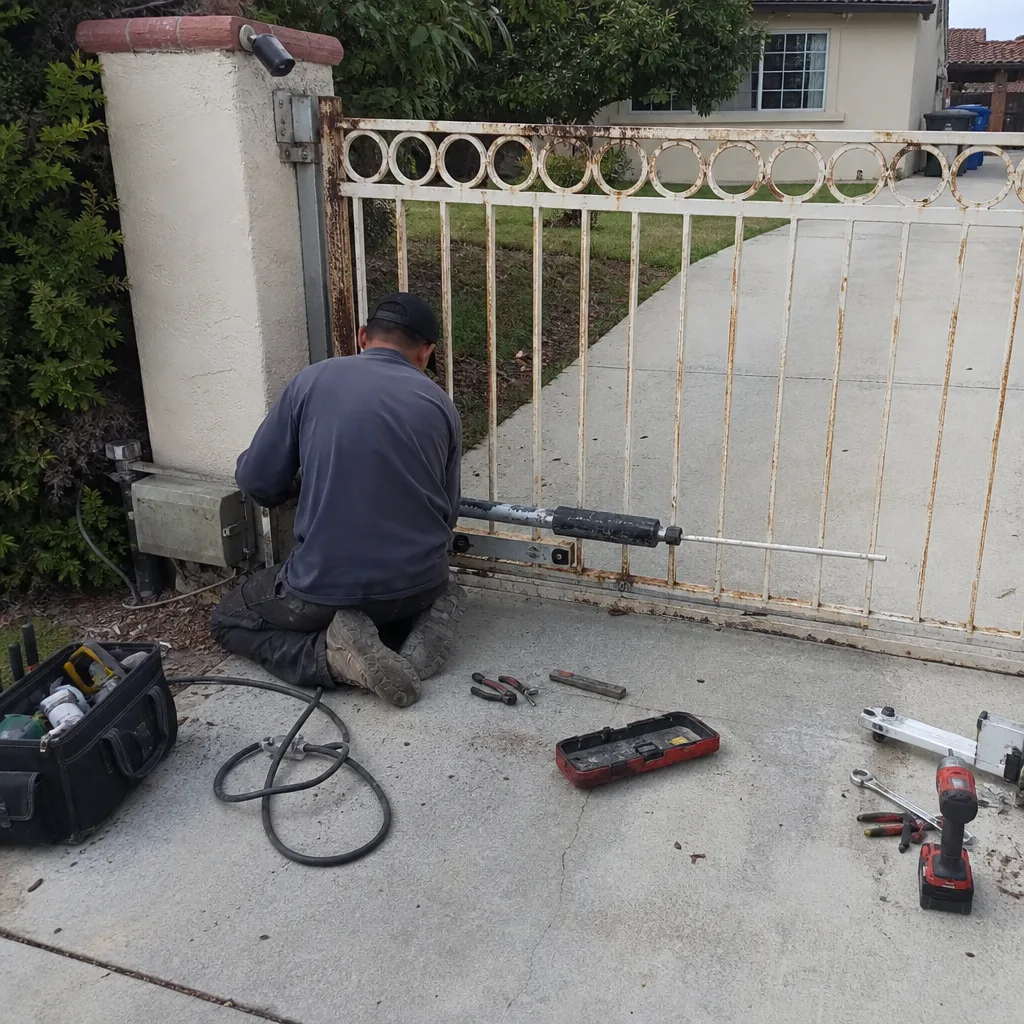 Before
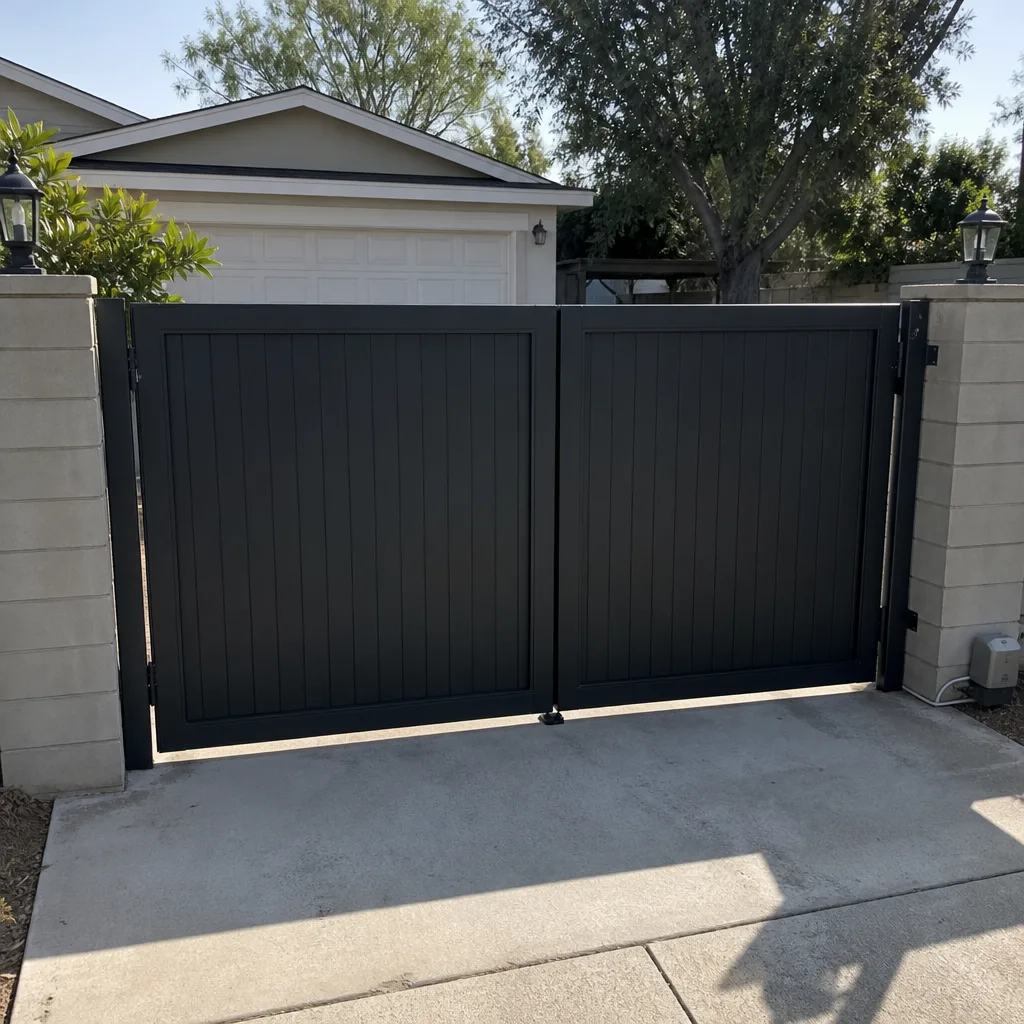 After
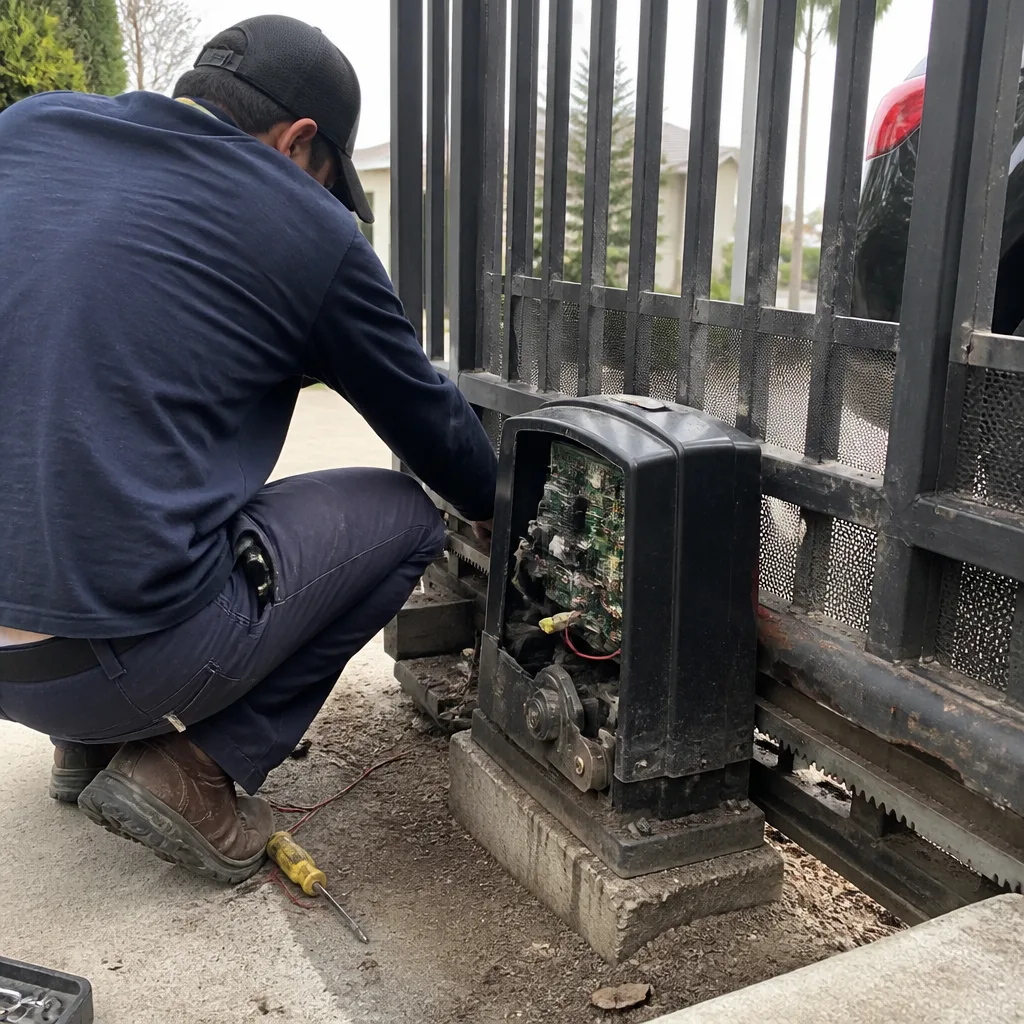 Before
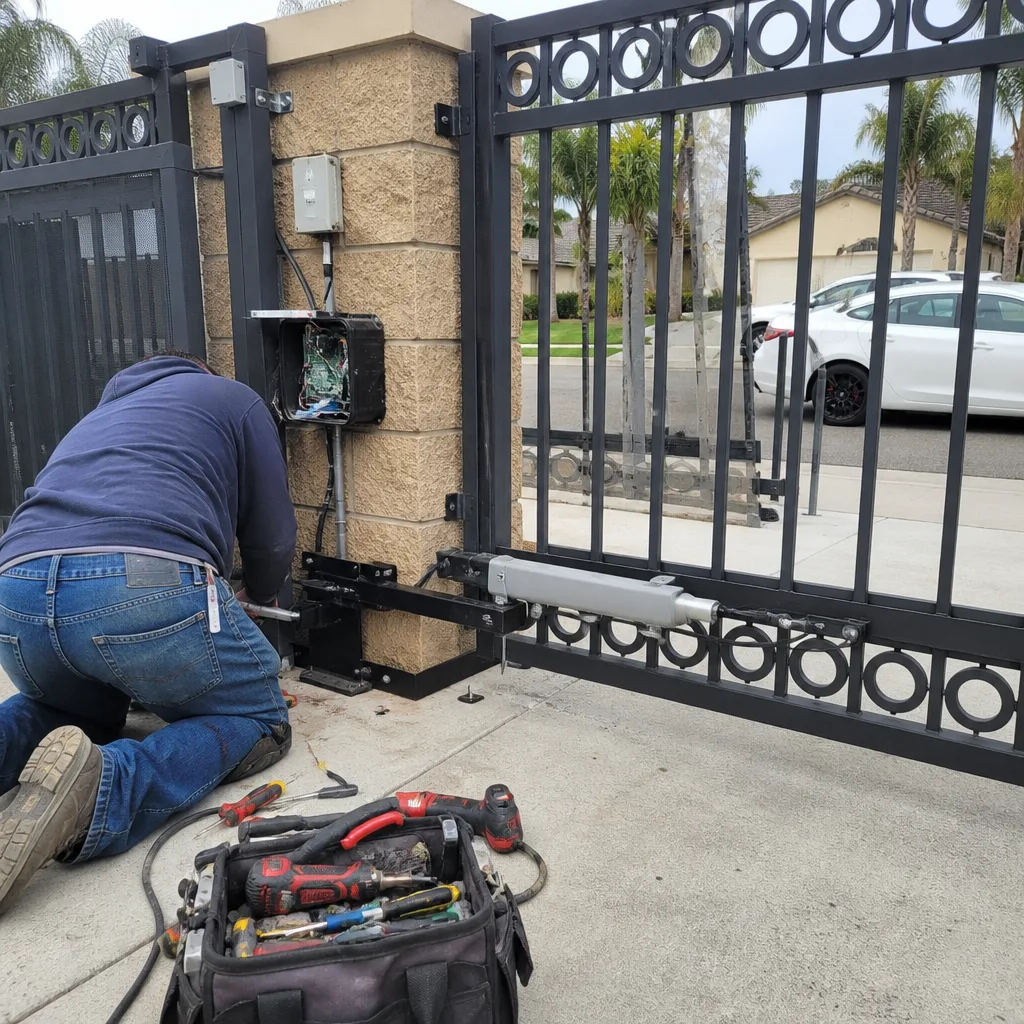 After