
Last updated October 30, 2026
 Wrought iron
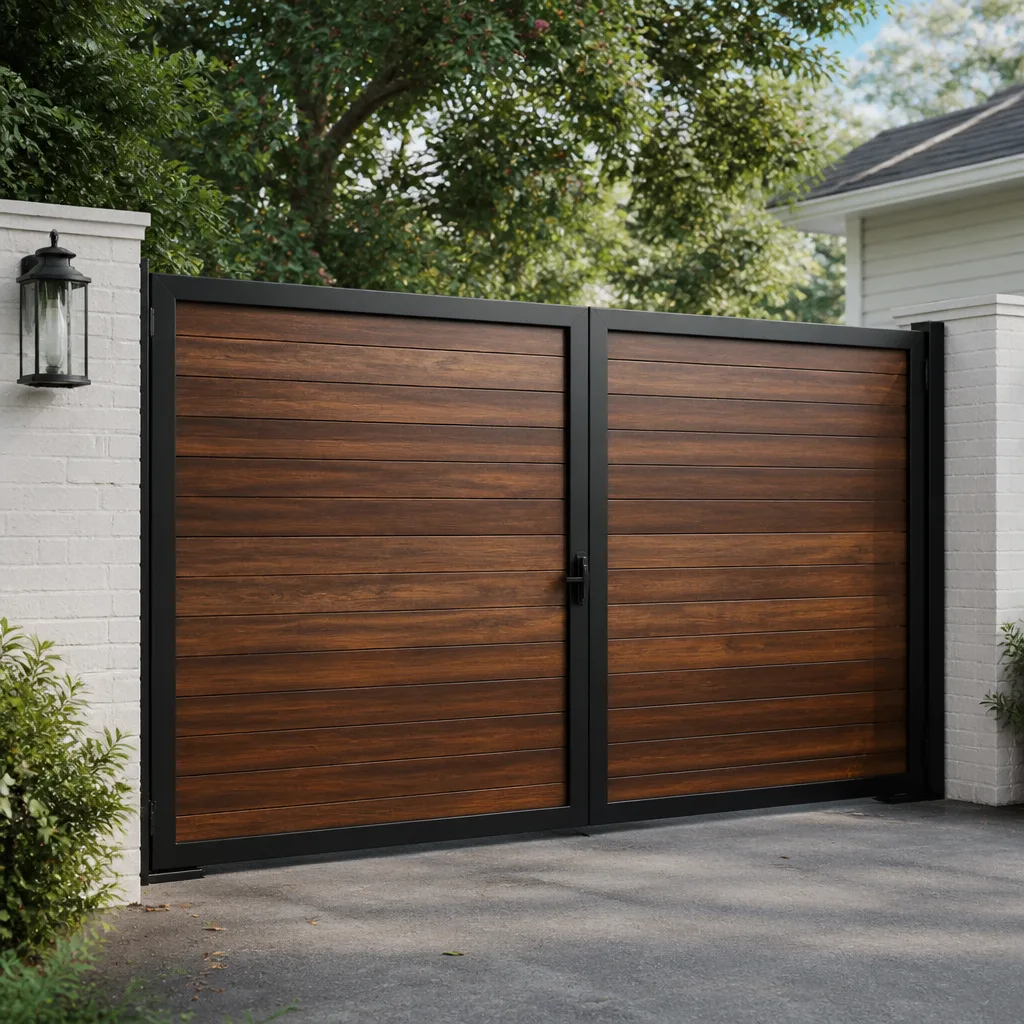 Wood & steel frame
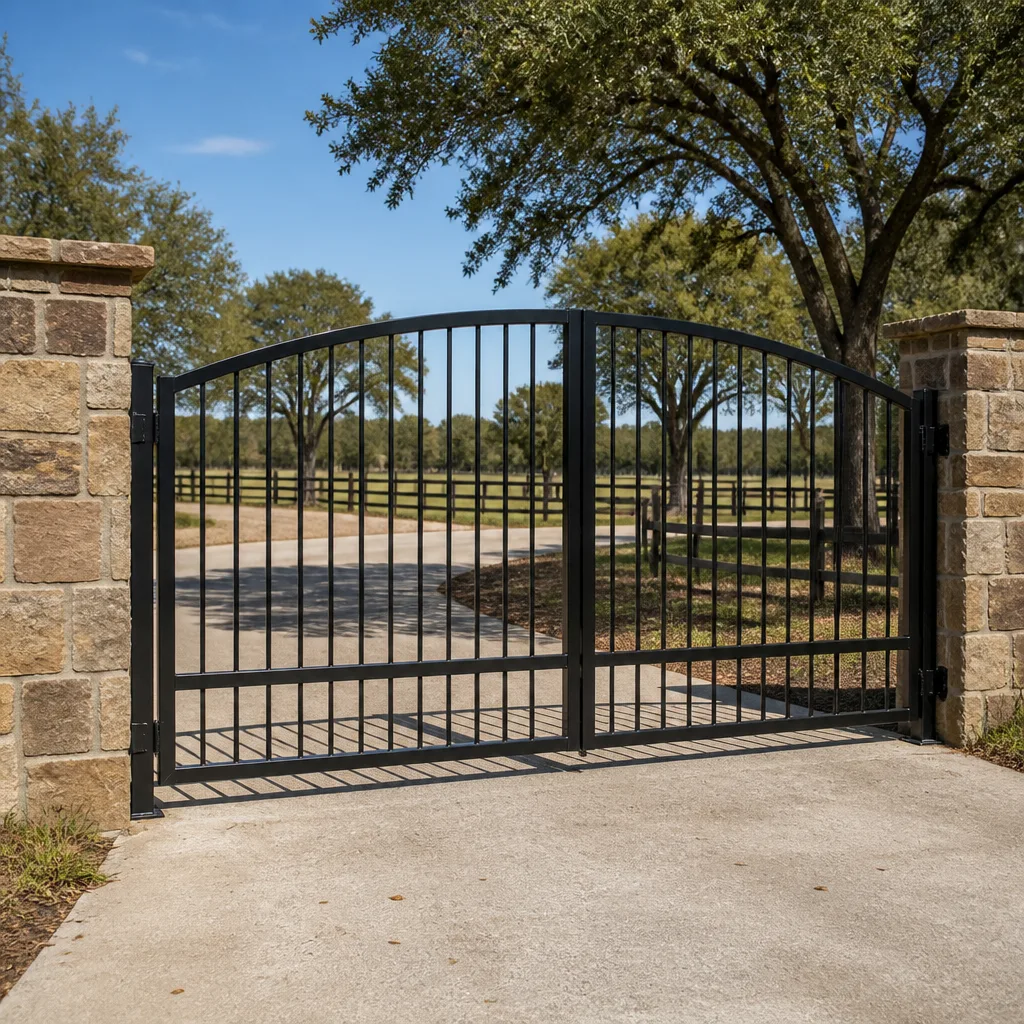 Farm & ranch
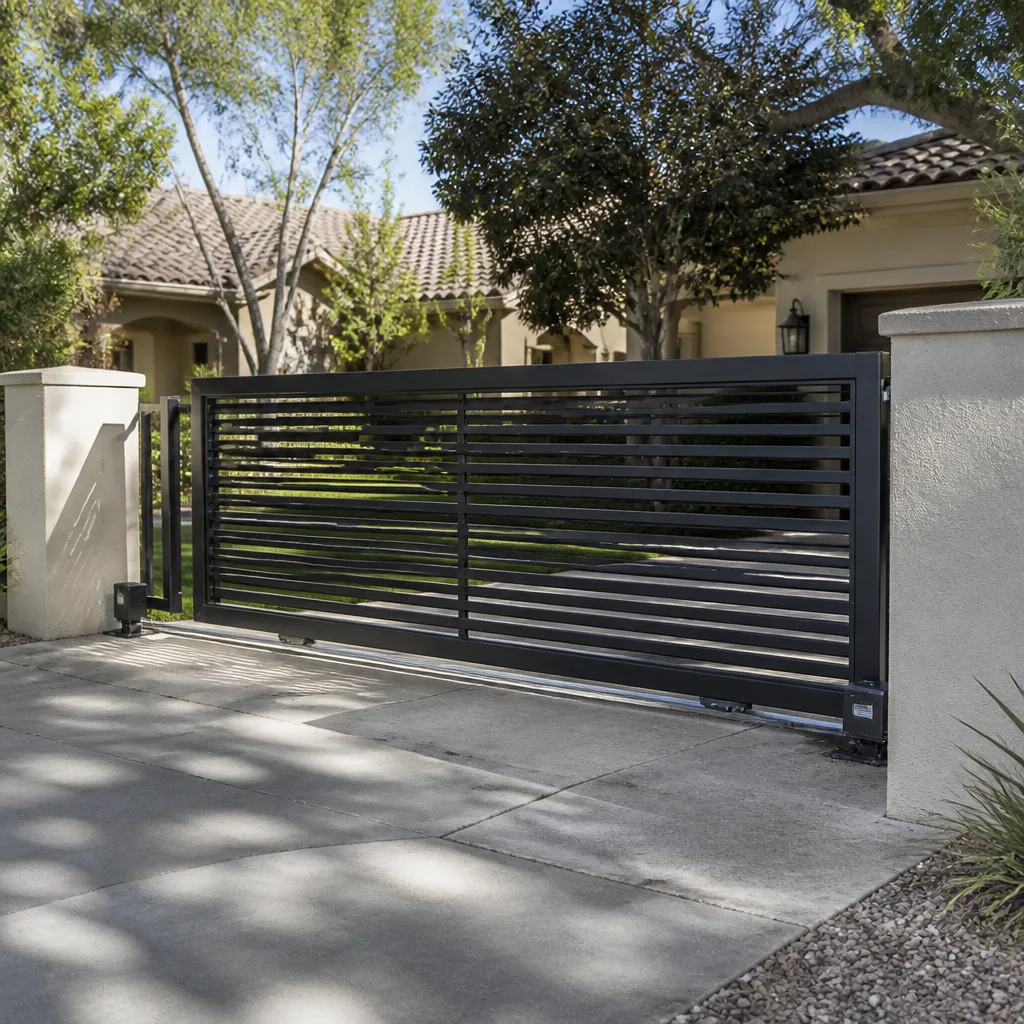 Sliding driveway gates
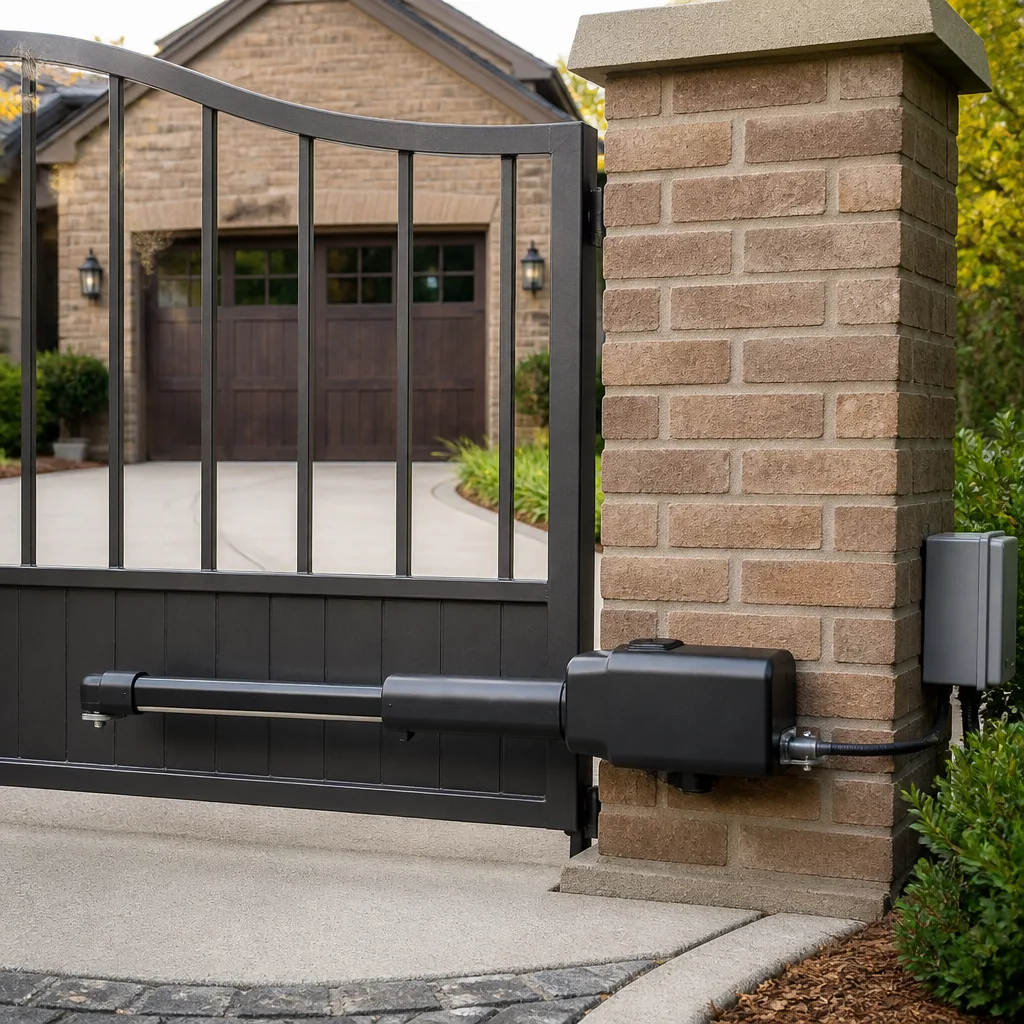 LiftMaster operators
Free on-site gate assessment - hinges, posts, and your LiftMaster or Nice gate operator checked before anything is quoted
The assessment is free and the quote is the invoice.
Get your free estimateGate Repair Permits, Codes & Inspections in CA: What You Need to Know
Replacing a gate operator in California can require an electrical permit even when nothing visible changes. A homeowner in Montclair swaps a dead LiftMaster board for a new one, the gate works fine, and three years later a buyer’s inspection flags the work during escrow. Unpermitted operator work has voided homeowner insurance claims after accidents. The permit trigger isn’t the gate itself, it’s what’s attached to it. This guide maps the actual thresholds, the UL 325 rules inspectors enforce, and how HOA approval interacts with city permits, so you can plan the work without unwelcome surprises. At Montclair Gate Repair, we navigate these requirements on every our Gate Repair services job we quote.
Styles & brands we work with
Quick Answer
Most gate repairs in California, like replacing hinges, welding a cracked frame, or repainting, need no permit at all. A permit is typically required when the work touches electrical wiring, adds or replaces a motor or operator, or involves structural changes to a masonry column or foundation. The trigger is the California Electrical Code and California Building Code, which classify gate operators as electrical equipment subject to inspection.
Table of Contents
- When a Gate Permit Is Actually Required in California
- UL 325 Compliance: The Standard Inspectors Actually Check
- HOA Approval vs. Municipal Permit: Which Comes First
- What ‘As-Built’ Documentation Means for Gate Systems
- How Unpermitted Gate Work Affects Sales and Insurance in CA
- What a Gate Inspection Actually Looks Like
- Common Mistakes to Avoid
- When to Call a Professional
- Frequently Asked Questions
- The Bottom Line
When a Gate Permit Is Actually Required in California
California doesn’t have a single statewide “gate permit.” What you’re dealing with is a patchwork of city and county building departments applying the California Electrical Code (CEC), California Building Code (CBC), and local ordinances. The gate itself is rarely the issue. A steel swing gate that opens and closes manually is just a fence component, and fences under 7 feet generally don’t need building permits in most California jurisdictions. What triggers review is the work attached to the gate.
Here’s the practical breakdown based on what we see across Montclair and surrounding cities:
Work that typically does NOT require a permit
- Replacing a bent hinge, wheel, or roller
- Welding a cracked gate frame or reinforcing a sagging leaf
- Repainting or powder-coating an existing gate
- Replacing a keypad, remote receiver, or photo-eye sensor
- Adjusting limit switches or force settings on an existing operator
- Replacing a broken gate arm on an existing swing operator
Work that typically DOES require a permit
- Installing a new gate operator or motor, even on an existing gate
- Running new electrical wiring, conduit, or a subpanel to power the gate
- Adding a new gate where one didn’t exist, if it includes a foundation or electrical trenching
- Rebuilding a masonry gate column or pouring a new concrete pad for an operator
- Converting a manual gate to an automated gate
- Upgrading a control board when the swap involves re-wiring line voltage connections
The line that surprises people: a simple motor swap can require an electrical permit because the CEC treats the operator as a listed appliance that must be installed to manufacturer specifications and inspected. Meanwhile, a full repaint, which looks like a bigger project from the curb, needs nothing. We’ve walked Montclair homeowners through this distinction dozens of times. The permit isn’t about how much the gate changes visually, it’s about how much the electrical system changes.
Some cities in San Bernardino and Los Angeles counties require a separate “electrical permit” even when the operator itself is plug-and-play, if it hardwires into a dedicated circuit. Others treat UL-listed plug-in operators (common with Mighty Mule and Ghost Controls residential kits) as appliances, like a washing machine, and no permit is needed. The difference often comes down to whether the unit plugs into an existing receptacle or is wired directly into a junction box. Before you start, call your city’s building department and ask specifically: “Does replacing a gate operator require an electrical permit in my city, and does it matter if the unit is cord-and-plug connected?” Get the answer in writing, or note the name of the person who gave it to you. That record protects you later.
UL 325 Compliance: The Standard Inspectors Actually Check
UL 325 is the safety standard for automated gate operators in the United States. If you’re installing or replacing an operator in California, this is what the inspector will look at, and it’s where DIY installs and unlicensed handyman jobs most often fail. UL 325 requires two independent entrapment protection systems for any automated gate. These systems exist to prevent a gate from crushing or pinning a person, and the standard is enforced in California through the CEC’s reference to listed equipment.
Here’s what UL 325 requires in practice:
- Primary entrapment protection: The operator must have an inherent force-limiting mechanism. This means the motor reverses when it meets resistance above a set threshold, like a garage door auto-reverse. The force setting must be calibrated to the specific gate’s weight and travel.
- Secondary entrapment protection: A physical device like photo-eye sensors across the gate opening, or contact edges that reverse the gate when touched. One of these is mandatory in addition to the force limiter.
- Warning signage: Every automated gate must display the required warning signs, installed on both sides of the gate, stating that the gate can move automatically and that entrapment is possible.
- Manual release mechanism: The operator must have a way to disengage the motor and move the gate by hand in a power outage, accessible from outside the gate.
Inspectors look for photo-eyes mounted at the correct height (typically 6 to 12 inches above grade for vehicular gates), wired so that a blocked beam stops the gate immediately. They check that the gate reverses on contact, not just on motor overload. They verify the warning signs are legible and placed where a pedestrian will see them before entering the path of the gate. In our experience, UL 325 compliance is the single most common reason a gate installation or operator replacement fails a city inspection in Montclair and the surrounding area, as detailed in our Gate Repair Warning Signs: A Montclair Homeowner’s Reference Guide. It’s also where liability lives. A gate that doesn’t reverse on contact is a lawsuit waiting to happen, and unpermitted work that skips UL 325 requirements has been cited in California personal injury claims.
One point inspectors hear from homeowners constantly: “The old gate didn’t have photo-eyes and it was fine.” The old gate was installed before the current standard was adopted, or the old install was never inspected. Neither argument matters. When you replace the operator, the new installation must meet current UL 325 requirements, no grandfathering.
HOA Approval vs. Municipal Permit: Which Comes First
In many Montclair-area neighborhoods and nearly all gated communities, you’re dealing with two separate approval processes that don’t talk to each other. The HOA governs aesthetics and architectural standards. The city governs safety, structure, and electricity. One does not substitute for the other, and the order matters more than most homeowners expect.
Here’s the sequence we recommend:
- Check HOA rules first. Your CC&Rs will tell you what gate styles, heights, colors, and operator types are allowed. Some HOAs restrict automation entirely or require a specific brand for visual consistency. Others require board approval before any exterior change, including replacing an operator with a different model. If the HOA denies the project, the city permit is moot.
- Apply for the city permit second. Once the HOA approves the design, you file with the building department. Having HOA approval in hand can smooth the city process because it demonstrates the project has cleared a design review, but it doesn’t replace the city’s technical review.
- Schedule the city inspection after installation. The city inspector checks UL 325 compliance, electrical connections, and structural work. The HOA typically doesn’t inspect at all after approval, unless a neighbor complains.
The common failure point is assuming HOA approval means you’re done. An HOA architectural committee will approve a gate operator that a city inspector would reject for missing photo-eyes or improper wiring. Conversely, a city-approved installation can violate HOA rules on gate height or color. We’ve repaired gates in Montclair HOAs where the operator was installed with full city permits and the HOA later demanded changes because the operator housing was a different color than the approved spec. Both approvals matter, and neither covers the other’s jurisdiction.
What ‘As-Built’ Documentation Means for Gate Systems
As-built documentation is a record of what was actually installed, as opposed to what was originally planned. For gate systems, this typically includes the final wiring diagram, the operator model and serial number, the locations of conduit and underground wiring, the photo-eye placement, and any deviations from the original plan. It’s standard practice in commercial gate projects, and it’s becoming more common in residential work when a permit requires inspection.
You’ll need as-built documentation in three situations:
- City final inspection: Some California building departments require a simple as-built diagram showing the operator location, conduit runs, and safety device placement before they’ll sign off on the final.
- Property sale: Disclosing that the gate was permitted and inspected, with documentation to prove it, protects you in escrow. Buyers and their inspectors ask for this when they see an automated gate.
- Future repair: When we arrive to diagnose a gate fault, knowing where the conduit runs and which photo-eye is on which channel saves hours. A homeowner who kept the as-built drawing from their original install gets a faster, cheaper repair than one who didn’t.
For a typical residential gate operator replacement in Montclair, a one-page as-built isn’t complicated. It shows the operator location, the electrical feed, the photo-eye positions, and the loop detector location if the gate has vehicle detection loops. Your contractor should provide this at the end of the job. If they look confused when you ask for it, that’s a signal about how they document their work. Montclair Gate Repair includes basic as-built documentation on every installation we perform, because we’ve seen too many homeowners stuck without it later.
How Unpermitted Gate Work Affects Sales and Insurance in CA
California’s real estate disclosure laws are strict. When you sell a home, you must disclose known unpermitted work. If you replaced a gate operator without a permit and don’t disclose it, and the buyer discovers it later, you can be liable. This isn’t hypothetical. We’ve been called to Montclair homes in escrow where the buyer’s inspector flagged an unpermitted gate operator, and the seller had to either obtain a permit retroactively, pay to have the work corrected, or reduce the price.
Retroactive permits are possible but not automatic. The city will inspect the existing installation as-is. If it meets current code, you pay the permit fee plus a penalty and it’s resolved. If it doesn’t meet code, because the photo-eyes are missing or the wiring isn’t to spec, you pay to bring it up to code before the permit is issued. That’s double the cost of doing it right the first time.
The insurance angle is more serious. Homeowner insurance policies in California typically exclude coverage for damage or injury caused by unpermitted work, particularly electrical work. If an unpermitted gate operator malfunctions and injures someone, or starts a fire, the insurance company can deny the claim on the basis that the work was performed illegally. We’ve seen the aftermath of this with gate operators that were installed by unlicensed handymen who didn’t pull permits and didn’t follow UL 325. The homeowner is left holding the liability personally. When an automated gate injures a child or a delivery driver, the stakes are not theoretical.
The practical rule: if the work requires a permit and you skip it, you’re self-insuring the project against both injury claims and property damage. For a gate operator, where a malfunctioning force limiter can crush a person, that’s a dangerous bet.
What a Gate Inspection Actually Looks Like
If your gate project does require a permit, here’s the process in most California cities, including Montclair’s jurisdiction. Understanding it ahead of time prevents the surprise re-inspection fees and the frustration of failing for something small.
- Submit the application. You or your contractor file the permit application with the building department. For a gate operator replacement, this is usually an electrical permit. For a new gate with a foundation, you may need both an electrical and a building permit.
- Pay the fee. Fees vary by city and project value. An electrical permit for a residential gate operator in Southern California typically runs from $80 to $300, depending on the city and the project valuation.
- Install the work. The contractor installs the operator, wiring, safety devices, and any structural components according to code. The work should be left accessible for inspection, meaning junction boxes open, conduit visible where possible, and the operator cover removable.
- Schedule the rough inspection, if required. For new trenching or conduit runs, the inspector may need to see the work before it’s buried. Not every city requires this for a simple operator swap, but if you’re running new underground electrical, expect it.
- Pass the final inspection. The inspector arrives, verifies the UL 325 safety devices, checks the wiring, tests the force reversal, confirms the signage, and signs off. You get a final approval on the permit record.
- Keep the documentation. File the final inspection card, the as-built drawing, and the operator manual together. You’ll need them when you sell.
Most residential gate operator inspections in our experience take 20 to 40 minutes. The inspector isn’t trying to fail you. They’re checking for the specific things UL 325 and the CEC require, and they’ll tell you exactly what to fix if something’s wrong. The most common failures we see at the inspection stage: photo-eyes mounted too high, missing warning signs, a force setting that doesn’t reverse the gate on contact, and wiring that isn’t in proper conduit. All of these are avoidable.
Common Mistakes to Avoid
- Assuming a motor swap needs no permit. Replacing a gate operator is electrical work under California code, even if the old operator was there for 20 years. Check with your city before you or your contractor starts. In some jurisdictions a cord-and-plug unit may be exempt, but you need that in writing.
- Confusing HOA approval with city permitting. An HOA sign-off does not satisfy the building department, and a city permit does not satisfy the HOA. Both processes run separately, and skipping either one creates a problem later, whether at sale or when a neighbor complains.
- Skipping photo-eyes to save money. UL 325 requires secondary entrapment protection. An operator installed without photo-eyes or contact edges will fail inspection and creates real liability. The cost of adding them is trivial compared to an injury claim.
- Hiring a handyman who doesn’t pull permits. Unlicensed or under-permitted work is the most common source of rejected insurance claims and failed escrow inspections we encounter with gate systems in Montclair. If the person you hire won’t discuss permits, that’s your answer about how the job will be documented.
- Burying conduit without a rough inspection. If you’re running new underground electrical for a gate operator, the inspector may need to see the trench before it’s backfilled. Burying it early means digging it up again or failing the inspection.
- Throwing away the operator manual and paperwork. The manual contains the UL 325 compliance information, force adjustment specs, and wiring diagrams. When you sell the house or need a repair, that documentation saves money and proves the installation was done properly.
- Forgetting the warning signs. UL 325 signage is not optional decoration. It’s a code requirement, and inspectors check for it. The signs must be on both sides of the gate where pedestrians can see them before entering the gate’s path.
When to Call a Professional
Some gate repairs are genuinely DIY-friendly: adjusting a sagging hinge, tightening a loose bolt, cleaning a photo-eye lens. The line is the electrical system and the safety devices. If your gate operator is failing, if the gate doesn’t reverse on contact, if the photo-eyes are misaligned or not responding, or if you’re planning a new installation with wiring and a foundation, you need someone who understands both the mechanical and electrical sides. A gate that fails to reverse is a hazard, not a nuisance. The brands we work on daily, from DoorKing commercial operators to Elite and LiftMaster residential units, all have specific force calibration procedures and wiring requirements. Guessing at these settings is how people get hurt. Montclair Gate Repair offers free estimates in Montclair, call (866) 371-3309 to talk through your project and get a straight answer on whether you need a permit. For additional help, explore our more guides & resources.rmit.
Frequently Asked Questions
An electrical permit for a residential gate operator replacement in Southern California typically costs between $80 and $300, depending on the city and the declared project value. New gate installations with foundations and electrical trenching can run higher, from $200 to $600 or more, because they involve both building and electrical review. The best way to get an exact number is to call your city’s building department or have your contractor pull the permit as part of the job. Montclair Gate Repair handles permitting on every installation we perform, call (866) 371-3309 for a free estimate that includes the permit costs.
In most California cities, yes, if the new operator hardwires into the electrical system, but some cities exempt cord-and-plug units that use an existing receptacle. The trigger is the electrical connection, not the operator itself. Call your local building department and ask specifically about your situation before any work begins.
You can, but you’re taking on the liability for code compliance, UL 325 safety requirements, and permitting. A homeowner who installs their own operator and skips the required safety devices is personally responsible if the gate injures someone. Most people are better served by a contractor who knows the code and will stand behind the work.
Yes. On installation and operator replacement jobs that require permits, we handle the application, schedule inspections, and provide the as-built documentation you’ll want at resale. For repair work that doesn’t require permits, we just fix the gate. Every job starts with a free estimate so you know exactly what’s involved, call (866) 371-3309.
The buyer’s inspector flags the unpermitted work, and you as the seller have a few options: obtain a retroactive permit, bring the installation up to current code at your expense, or negotiate a price reduction. California disclosure law makes hiding it a legal liability, so the cost of doing it right the first time is almost always lower than dealing with it in escrow.
No. UL 325 applies to automated gate operators and the entrapment protection systems they require. A manual gate with no motor has no UL 325 requirements. The moment you add an operator, even a plug-in Mighty Mule or Ghost Controls kit, the standard applies and the required safety devices become mandatory.
The Bottom Line
California permits for gate work hinge on electricity and structure, not on how much the gate changes visually. A motor swap can need a permit while a repaint needs nothing. UL 325 compliance is the safety baseline inspectors enforce, and skipping it creates liability that insurance may not cover. HOA and city approvals run on separate tracks and both matter. Unpermitted work follows you to escrow and can cost far more than a permit ever would. When in doubt, ask your building department before the work starts, keep your documentation, and don’t let anyone do unpermitted electrical work on your gate. The cheapest install is rarely the safest or the most legal. If you’re in Montclair and not sure where your project falls, call us at (866) 371-3309 and we’ll tell you straight.
Written by the team at Montclair Gate Repair, serving Montclair since 2013.
Learn more about Montclair Gate Repair home, our Gate Repair in Sky Valley services, Electric Gate Repair in Sky Valley, and Gate Installation in Sky Valley.
See the difference
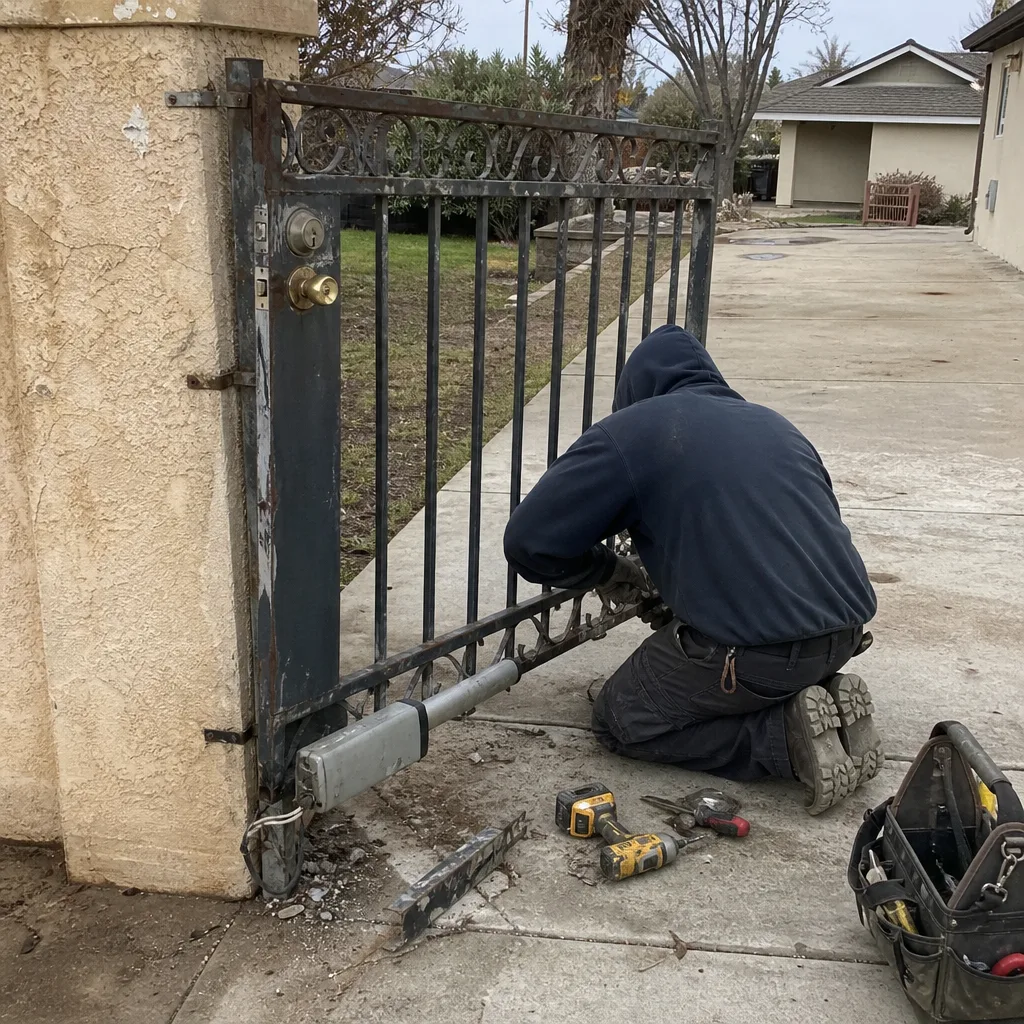 Before
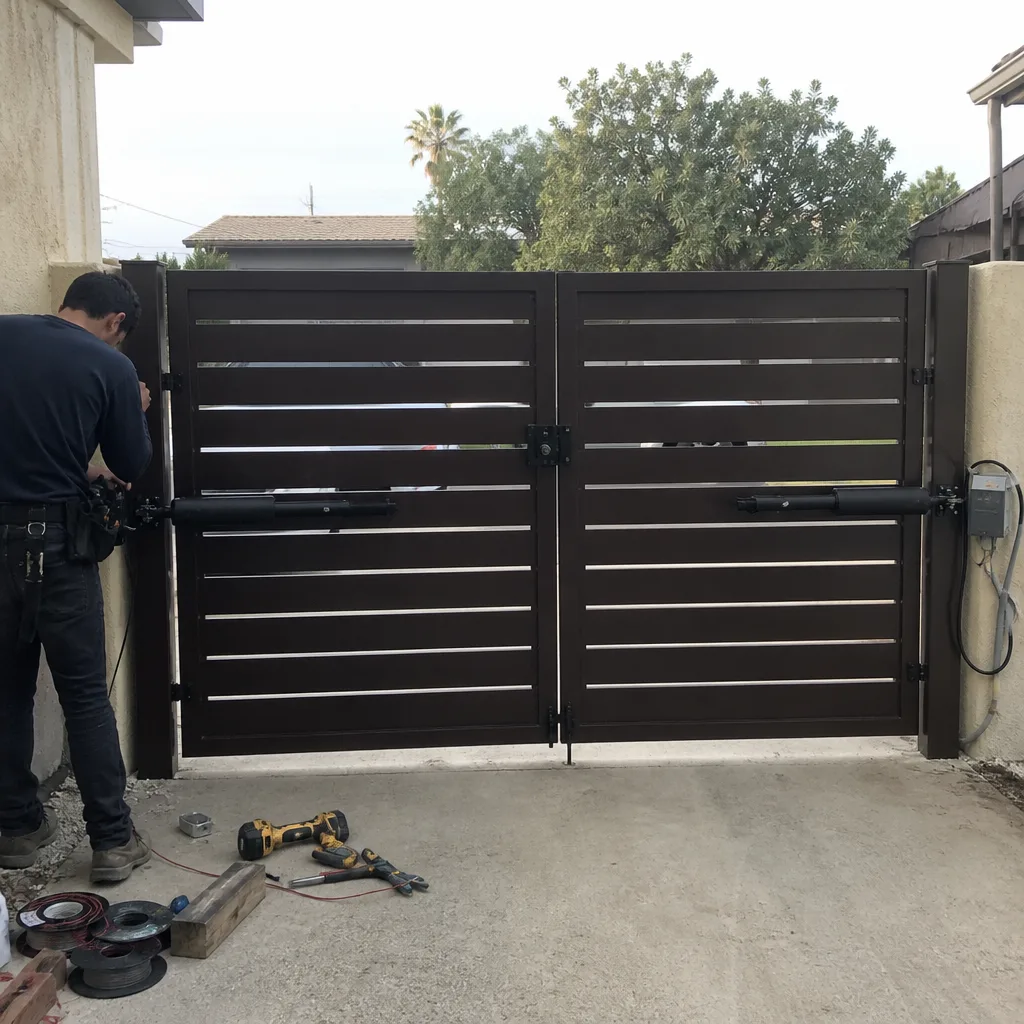 After
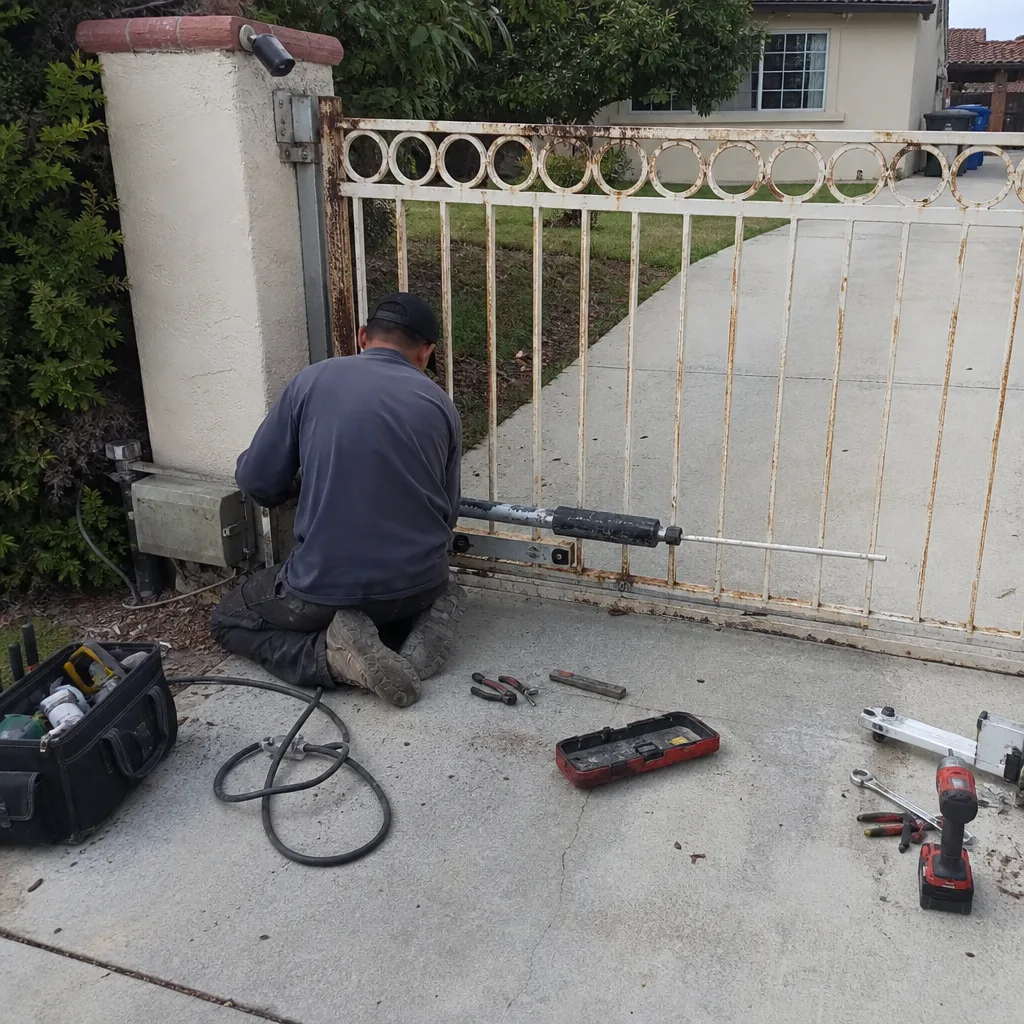 Before
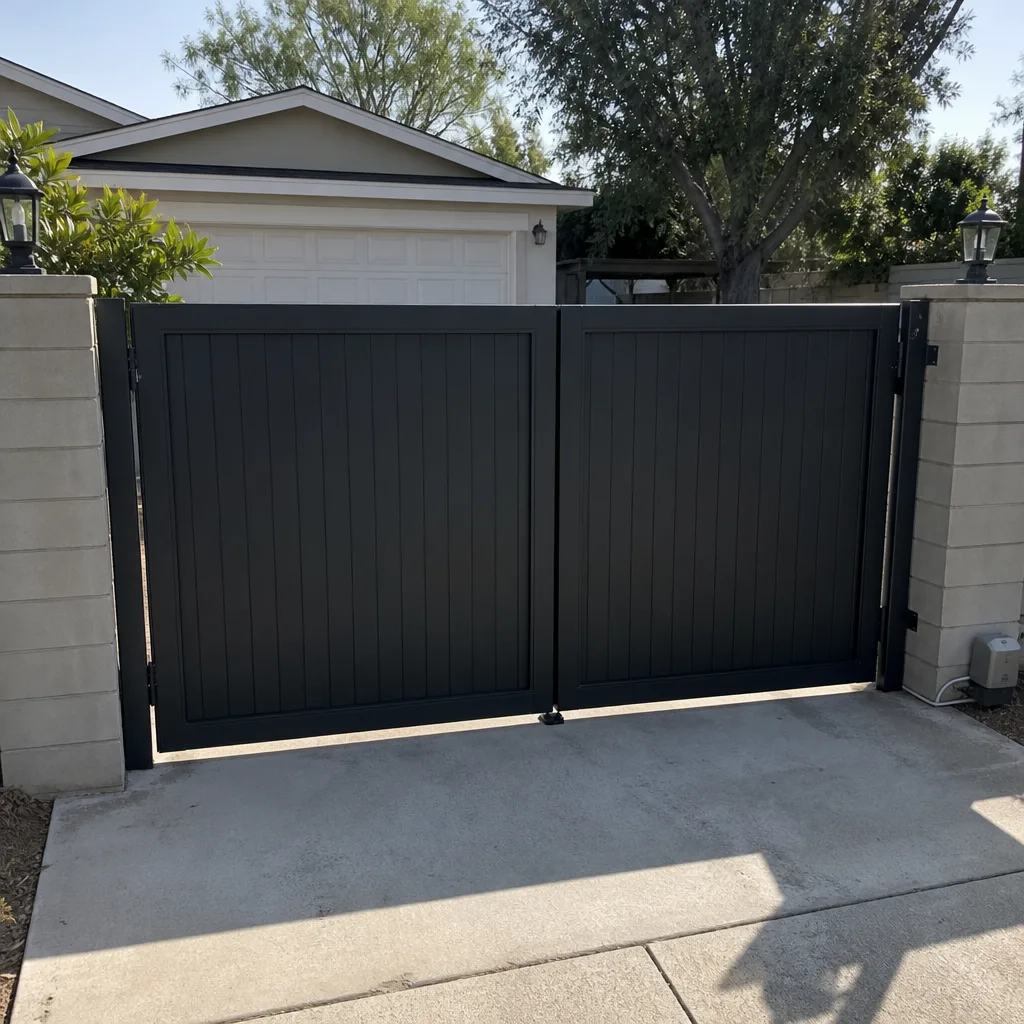 After
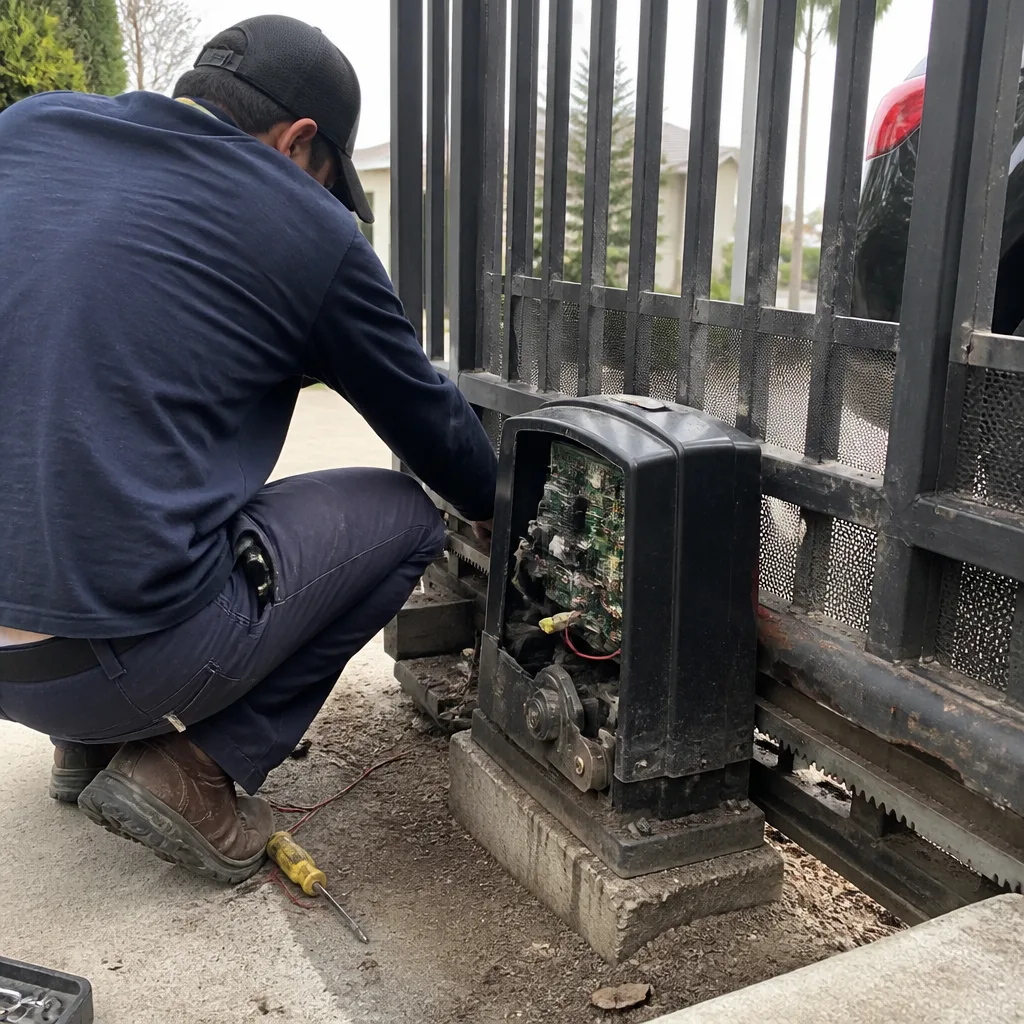 Before
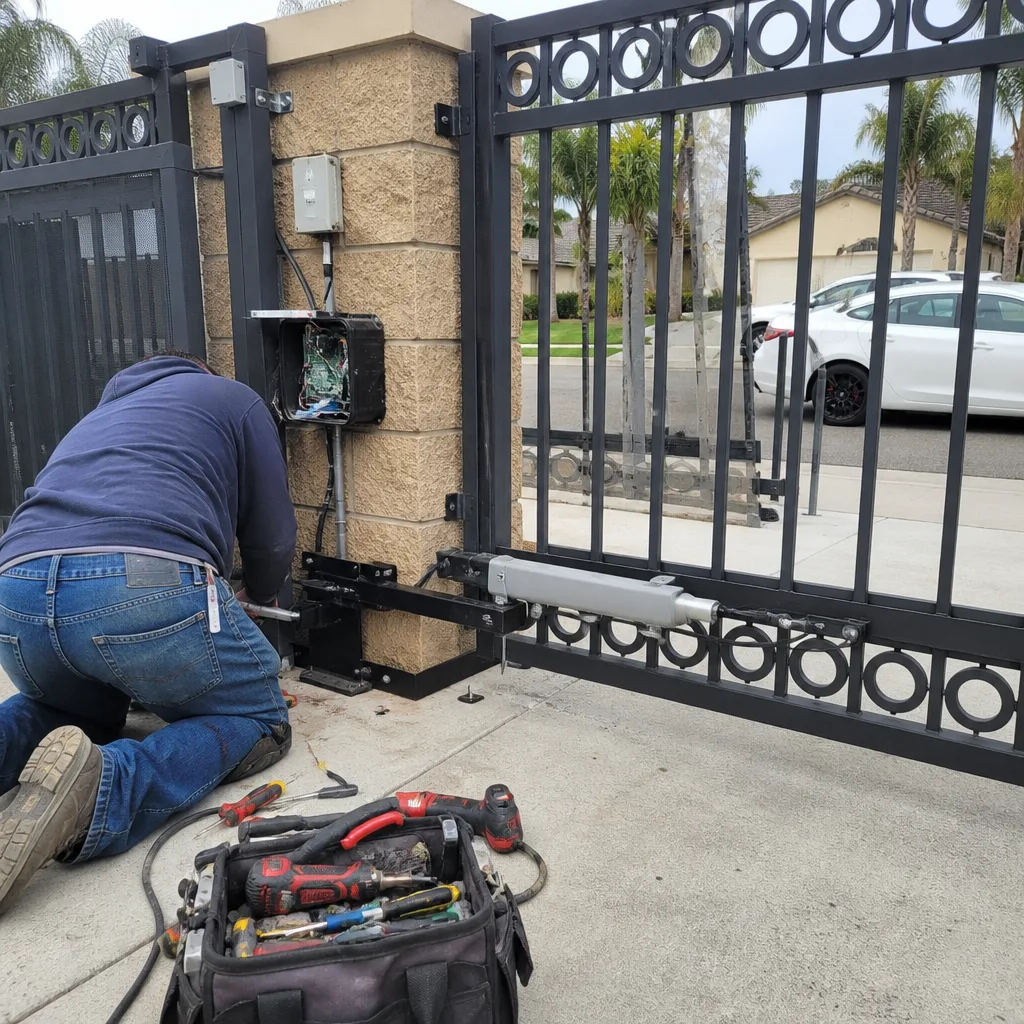 After