
Last updated October 30, 2026
 Wrought iron
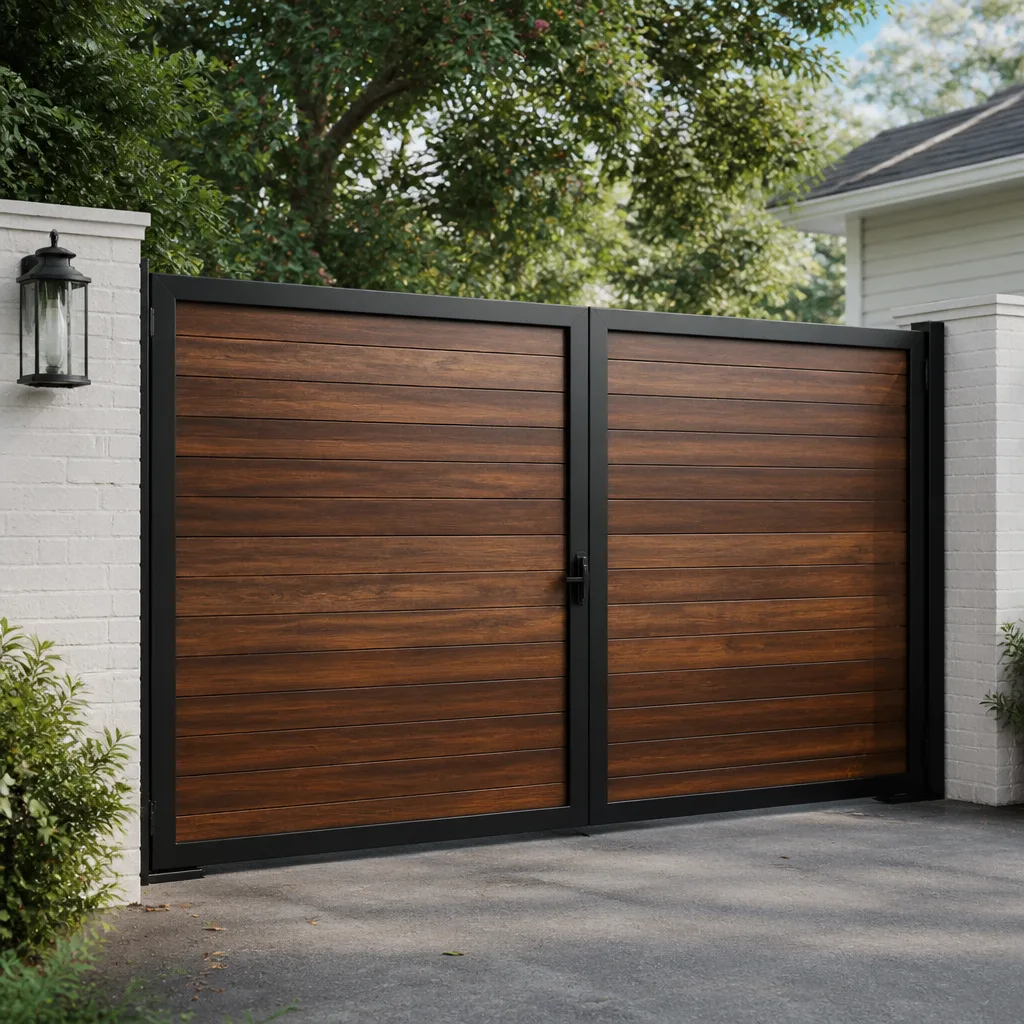 Wood & steel frame
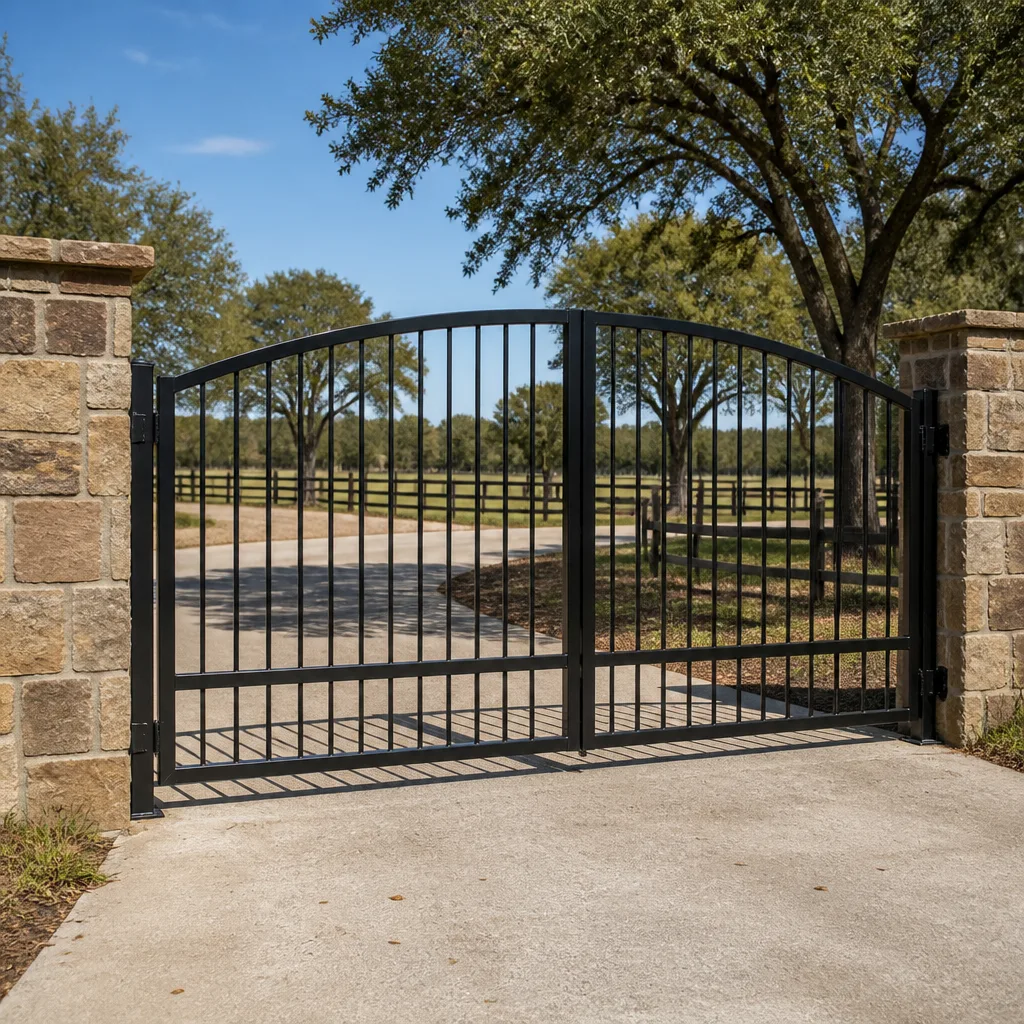 Farm & ranch
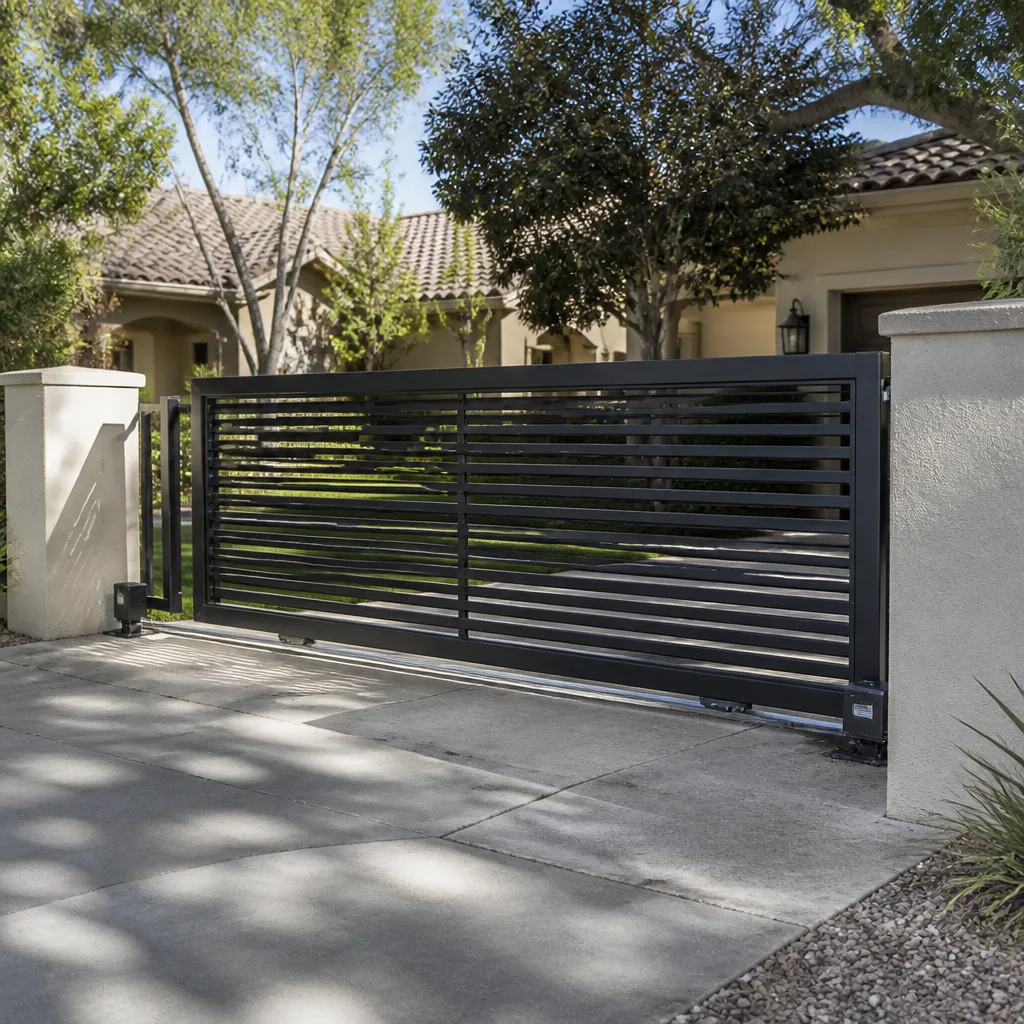 Sliding driveway gates
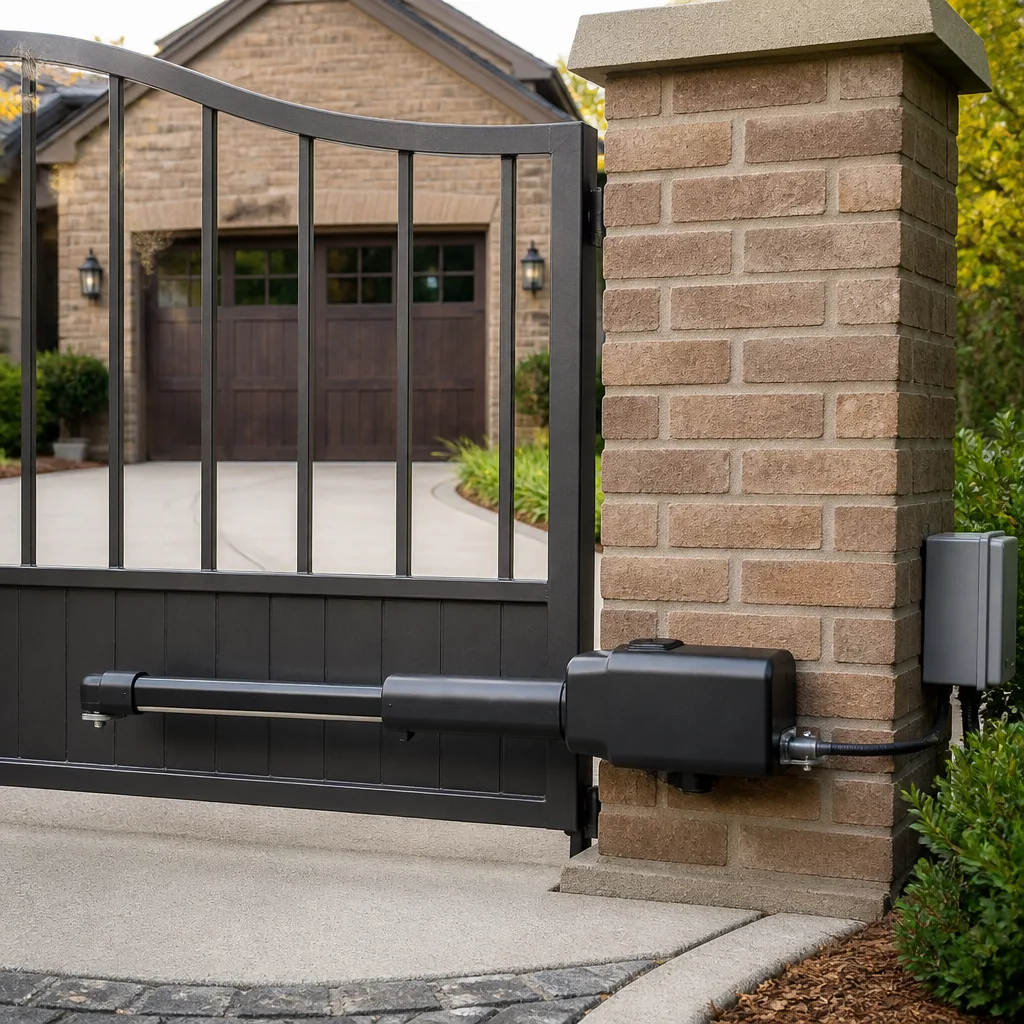 LiftMaster operators
Free on-site gate assessment - hinges, posts, and your LiftMaster or Nice gate operator checked before anything is quoted
The assessment is free and the quote is the invoice.
Get your free estimateDIY vs Professional Gate Repair: The Montclair Homeowner’s Decision Guide
Every year, Montclair homeowners face the same moment: the gate won’t open, or it opens halfway and groans, or the safety sensor starts beeping at 2 a.m. The first instinct is to grab a wrench or watch a video. But here’s what most guides won’t tell you: the DIY-versus-pro decision has almost nothing to do with how handy you are. It has everything to do with which layer of the gate failed, because one of those layers carries legal and physical danger that no tutorial can prepare you for. This guide—along with our Gate Repair Emergency Preparedness Guide for Montclair Homes—walks you through the three-layer model we use on every service call in Montclair, so you can make the decision with your eyes open.
Styles & brands we work with
Quick Answer
DIY gate repair is safe and reasonable for mechanical adjustments and basic maintenance, like lubricating hinges, tightening bolts, or reprogramming a remote. Professional repair is the right call when the failure involves the electrical system, the automated operator, or any safety component, because California law makes property owners liable for entrapment injuries even if a contractor installed the system. If your gate has failed at the electrical or safety layer, call a specialist rather than risking the repair yourself.
Table of Contents
- The Three-Layer Model: How to Diagnose Any Gate Failure
- Layer 1: The Mechanical Layer – Where DIY Makes Sense
- Layer 2: The Electrical Layer – Where DIY Gets Expensive
- Layer 3: The Safety System – Where DIY Becomes a Liability
- California Liability Law and Your Gate: What Montclair Homeowners Need to Know
- Repairs That Look DIY-Safe but Aren’t
- The Hidden Cost of Partial DIY Repairs
- Montclair-Specific Considerations: Climate, Terrain, and Code
- Common Mistakes to Avoid
- When to Call a Professional
- Frequently Asked Questions
- The Bottom Line
The Three-Layer Model: How to Diagnose Any Gate Failure
When we arrive at a Montclair property for a gate that won’t function, we don’t start by asking what brand it is or how old it is. We start by identifying which layer of the system failed. Every gate, whether it’s a simple manual swing gate on a residential driveway or a fully automated commercial system at a multi-unit property, is built from three layers: the mechanical layer, the electrical layer, and the safety system. Each layer demands a different skill set, a different set of tools, and a different level of caution.
Here’s how to diagnose your own gate before you decide whether to DIY or call:
- Mechanical layer: Hinges, wheels, tracks, arms, chains, the physical gate panel itself. These are the parts you can see and touch. Failures here are almost always visible: a sagging gate, a bent arm, rust on hinges, a wheel that’s jumped the track.
- Electrical layer: The operator motor, control board, limit switches, wiring, battery, and the keypad or remote receiver. Failures here are usually invisible until you test: the gate doesn’t respond to the remote, the motor hums but doesn’t move, or the gate opens but won’t close.
- Safety system: Photoelectric sensors, entrapment sensors, safety loops, edge sensors, and the gate’s reverse mechanism. These components exist to prevent the gate from crushing someone. Failures here are often silent until they’re tested, which means the gate might operate normally while the safety system has already failed.
The distinction matters because the DIY boundaries are different at each layer. Mechanical work is often genuinely safe to attempt yourself. Electrical work is where things start to go wrong, and safety-system work is where a Mistake stops being a repair and becomes a legal exposure. In our Gate Repair Cost Breakdown: The Montclair Homeowner’s Reference for 2026, we show how the most expensive repairs we see are the ones that started as a DIY attempt at the wrong layer.
Layer 1: The Mechanical Layer – Where DIY Makes Sense
The mechanical layer is the most forgiving part of a gate system, and it’s where we tell Montclair homeowners to save their money. If your gate is manual, the mechanical layer is essentially the entire system, and most mechanical repairs are within reach of a competent DIYer with basic tools.
Genuinely safe DIY mechanical work includes:
- Lubricating hinges and pivot points – Use a lithium-based grease or silicone spray on hinge pins and pivot joints. This is maintenance, not repair, and it extends the life of your gate. Do it twice a year in Montclair’s dry climate, where metal-on-metal wear happens faster without regular lubrication.
- Tightening loose bolts and fasteners – Gate panels shake and vibrate with every cycle. Bolts loosen over time, and a crescent wrench or socket set solves most of it. Check the hinge bolts, the post brackets, and any connecting hardware.
- Cleaning and clearing the gate track – For slide gates, debris in the track is the most common mechanical failure. Leaves, gravel, and dirt accumulate in Montclair’s hillside properties and block the rollers. Clear the track by hand and test the gate again.
- Adjusting a misaligned manual gate latch – If the gate won’t stay closed because the latch doesn’t catch, a simple adjustment of the strike plate often fixes it. Use a screwdriver to reposition the plate so the latch bolt seats properly.
- Replacing a bent pull handle – A cosmetic and functional fix that takes ten minutes and a few dollars in parts.
The common thread: these are all visible, physical problems with visible, physical solutions. You can see the bolt that’s loose, the track that’s blocked, the hinge that’s dry. There’s no hidden danger, and the worst-case scenario from a mistake is that the gate still doesn’t work or a part needs to be replaced.
What you should not attempt at the mechanical layer: anything involving the gate’s connection to the operator. The arm that connects a swing gate to a LiftMaster or DoorKing operator is under significant tension, and removing or adjusting it while the operator is powered can send the arm swinging with enough force to injure you. Before you disconnect any mechanical component from an automated gate, unplug the operator or shut off the circuit breaker. That single step prevents most DIY injuries we see.
Layer 2: The Electrical Layer – Where DIY Gets Expensive
The electrical layer is where the DIY-versus-professional decision gets serious. This is where the gate’s brain lives: the control board, the limit switches, the motor, the wiring, and the power supply. Failures here are rarely visible, which means you’re troubleshooting with a multimeter and a schematic rather than a wrench.
Some electrical work is genuinely within reach of a homeowner. Reprogramming a remote is a good example. Most Mighty Mule and Ghost Controls residential operators have simple learn-button programming where you press a button on the board, press the remote, and the remote is paired. If your gate stopped responding to a remote but still works from the keypad, you can often fix this yourself in two minutes by following the manufacturer’s printed instructions. The same applies to replacing a remote-control battery or reprogramming a keypad code.
Changing the backup battery on an operator is also reasonable DIY work in most cases. Most residential operators have a battery compartment accessible with a screwdriver, and the replacement battery is simply a 12V or 24V sealed lead-acid unit. Disconnect power first, swap the battery, reconnect. This is maintenance, not repair.
But once you move past remotes and batteries, the electrical layer demands respect. Here’s what happens when a Montclair homeowner attempts board-level or wiring-level repair without the right diagnostic tools:
- The wrong part gets replaced. A gate that opens but won’t close might be a limit switch, a wiring fault, or a failing control board. Replacing one part to fix the other wastes money and leaves the actual fault in place.
- The replacement part gets fried on install. Control boards are sensitive to voltage spikes and miswiring. We regularly see boards that were damaged during installation because a wire was connected to the wrong terminal for a split second.
- The operator gets mis-calibrated. After replacing a board, the operator needs its limit settings and force settings recalibrated to the specific gate’s weight and travel. Skipping this step means the gate might not close fully, might slam open against the stops, or might not reverse when it should.
In our experience, electrical-layer repair is where the hidden cost becomes visible. A homeowner replaces a $180 control board on a BFT or Elite operator, the gate still doesn’t work, and now a technician has to diagnose both the original fault and any new damage from the attempted repair. The diagnostic starts from scratch because the system state has changed. We work on nine operator brands, from Mighty Mule and Ghost Controls up through FAAC, BFT, DoorKing, and LiftMaster, and we see this pattern repeatedly.
Layer 3: The Safety System – Where DIY Becomes a Liability
Here’s the part of this guide that most other DIY-versus-pro articles skip entirely. The safety system on an automated gate exists for one reason: to keep the gate from injuring or killing someone. And when you modify that system yourself, you assume legal responsibility for its performance.
The safety components on an automated gate include photoelectric sensors (the “eyes” that detect an obstruction across the gate’s path), edge sensors (strips along the gate’s leading edge that reverse the gate on contact), safety loops (buried wire loops that detect a vehicle parked in the gate’s path), and the operator’s reverse mechanism (which senses increased motor resistance and reverses direction).
Here’s what makes this layer different from the other two: a safety-system failure is invisible during normal operation. The gate will open and close normally with the sensors misaligned, the edge sensor disconnected, or the reverse mechanism set too high. The failure only reveals itself when someone or something is in the way. That’s the entire point of the safety system. It’s the last line of defense, and it only matters in the moment when something has already gone wrong.
California law makes this personal for property owners. Under California’s automatic gate safety regulations, property owners are responsible for ensuring their gates comply with entrapment protection standards. If a gate injures someone, the owner can be held liable even if a contractor installed or last serviced the system. That liability doesn’t transfer to the contractor. It remains with you, the owner.
What this means in practice: if you adjust a limit switch, realign a sensor, splice a wire, or change the reverse-force setting on your gate, and the gate later injures someone, you modified the safety system. In any legal proceeding, that modification becomes central to the case. We’re not alarmists, but this is one area where the consequences of a mistake aren’t a broken gate; they’re an injured child, a crushed vehicle, or a lawsuit.
Our position at Montclair Gate Repair is straightforward: leave safety-system work to trained professionals. The diagnostic skills and calibration tools required to verify that a gate’s force settings, sensor alignment, and reverse mechanism all meet California UL 325 safety standards aren’t homeowner-level skills. This isn’t about protecting our business. It’s about the fact that a gate that crushes a child doesn’t care whether the mistake was made by a homeowner or a handyman.
California Liability Law and Your Gate: What Montclair Homeowners Need to Know
California’s gate safety law isn’t a suggestion, and it isn’t enforced only on commercial properties. The state’s automatic gate safety regulations apply to residential automated gates as well as commercial and multi-unit systems. The relevant standard is UL 325, which governs entrapment protection for automated gates, and California requires all automated gates to comply with it.
The liability structure works like this: the property owner is the responsible party. California Civil Code and case law have established that property owners owe a duty of care to anyone lawfully on the property, including gate users, delivery drivers, and guests. When an automated gate injures someone, the owner faces potential liability for the injury regardless of who installed or last serviced the gate. If you did the work yourself, you no longer have a contractor to point to. You are the installer, the technician, and the defendant.
The specific failure points that most commonly lead to entrapment injuries are:
- Reverse mechanism set too high – The operator’s force sensor is calibrated to stop and reverse the gate when it encounters resistance. If the setting is too high, the gate pushes through the resistance instead of reversing, which turns a closing gate into a slow-moving press.
- Misaligned photoelectric sensors – The sensors are designed to detect an interruption in their beam and stop or reverse the gate. A sensor that’s bumped out of alignment won’t detect the obstruction, and many installations have the sensors mounted too high or too low to actually protect the full path.
- Missing or disconnected edge sensors – Edge sensors are the tactile backup to the photoelectric sensors. When they’re removed, disconnected, or worn out, the gate has lost its final line of defense.
- Inoperative safety loops – For slide gates, the loop detectors embedded in the driveway are what prevent the gate from closing on a parked vehicle. A failed loop means the gate will close regardless of what’s in its path.
For Montclair homeowners, the practical takeaway is simple. If you’re going to modify any part of the safety system on your automated gate, you are assuming liability for the result. If you’re going to have a handyman or general contractor do the work, confirm that they’re specifically trained in gate operator safety systems and UL 325 compliance. This is not a general handyman skill. It’s a specialized discipline.
Repairs That Look DIY-Safe but Aren’t
Every gate technician can tell you the same stories. The homeowner watched a video, thought the repair looked simple, and now the gate is worse than before. Here are the repairs that fool people into attempting them because they look mechanical or straightforward on the surface, but they’re actually electrical or safety work in disguise.
Limit switch adjustment. The limit switch controls how far the gate travels before it stops. It looks like a simple adjustment: move a cam, tighten a screw, done. But on most modern operators, including LiftMaster, FAAC, and Viking models, the limit switch is integrated with the control board logic and the force sensing. Moving the mechanical stop without recalibrating the control board throws the entire system off. The gate ends up under-traveling, over-traveling, or failing to reverse properly. This is a safety-system adjustment disguised as a mechanical one.
Entrapment sensor realignment. The photoelectric sensors on your gate look like the ones on your garage door, and garage door sensors are famously DIY-friendly. The difference is that a garage door is a lightweight panel that reverses easily, while a gate is a heavy steel or wood structure moving across or through a space where people and vehicles pass. A garage door sensor failure is an inconvenience. A gate sensor failure is a hazard. The alignment and mounting height for gate entrapment sensors are specified in the UL 325 standard, and matching the spec matters more than getting the beam to connect.
Wiring splices. If a wire has corroded or broken, the fix looks like stripping the ends and twisting on a wire nut. On a gate operator, it’s more complicated than that. Gate wiring runs through conduit, underground, and through the operator housing. Splices need to be waterproof, correctly sized for the voltage and amperage, and protected from the movement of the gate. A splice that works today may corrode and fail in a year, or it may create a voltage drop that makes the control board behave erratically. We regularly see gates with four or five spliced wires that each worked fine individually but collectively created enough resistance to confuse the board.
Replacing a broken arm on an articulated gate operator. The arm on a swing gate operator looks like a simple mechanical part: unbolt the old one, bolt on the new one. But the arm connects the operator to the gate with a specific mounting geometry that determines the gate’s open and closed positions. If the arm is installed at the wrong angle, the gate may not fully open, may jam against its stops, or may put strain on the operator motor that shortens its life. The mechanical installation is simple. The geometry and calibration are not.
Our technicians work with DoorKing, Elite, Mighty Mule, LiftMaster, and five other operator brands on a regular basis, and the patterns are consistent. The repair that looks like a simple mechanical swap is often a calibration and safety adjustment in disguise.
The Hidden Cost of Partial DIY Repairs
Here’s a scenario we’ve seen play out more times than we can count in Montclair. A homeowner has a gate that won’t open. They replace the battery. The gate still won’t open. They replace the remote. Still nothing. They buy a new control board online, install it themselves, and the gate now makes a humming sound but doesn’t move. At this point, they call us. Here’s what the repair looks like now:
- The diagnosis has to start from zero. The original fault is still present, but now there are new variables: new parts, possibly incorrect wiring, possibly a board that’s been damaged during installation, possibly a board that wasn’t the right revision for this operator model.
- The repair cost has gone up. The $180 board that was supposed to fix the problem may need to be removed and replaced with the correct part. The diagnostic labor is higher because we’re untangling the previous work as well as finding the original fault.
- The downtime has been extended. The gate has been out of service for the entire duration of the homeowner’s attempts, and now the repair takes longer because of the added complexity.
The hidden cost isn’t just financial. It’s the time the gate spent insecure, the frustration of failed attempts, and the compounding complexity of a system that’s been worked on by someone who didn’t know the specific operator’s quirks. A gate that needed a $45 limit switch replacement now needs a $400 control board, plus diagnosis, plus reprogramming.
The alternative: call someone who already knows the brand. We carry diagnostic equipment and parts knowledge for nine operator brands across the full market range, from Mighty Mule residential operators to DoorKing and FAAC commercial systems. When our Gate Repair services team arrives, we trace the fault: board, loop, motor, or wiring, and fix the actual cause. That’s the difference between a repair that takes an hour and a repair that takes three visits.
For Montclair homeowners asking whether to DIY or call, the honest answer is this: if the problem is at the electrical or safety layer, the cheapest path is usually the one where a specialist diagnoses it correctly the first time. The false economy of DIY electrical repair has cost homeowners far more than the service call they were trying to avoid.
Montclair-Specific Considerations: Climate, Terrain, and Code
Montclair has its own set of factors that influence gate reliability and repair decisions. Understanding them helps you make smarter DIY-versus-pro choices.
Hillside terrain and gate stress. Montclair is built into the San Gabriel foothills, and many residential properties are on slopes. Gates on sloped driveways work harder than gates on flat lots. The operator has to lift or hold a heavier effective load, the mechanical components wear faster, and the safety system’s settings are more critical because the gate has gravity working in its favor. For slide gates on a slope, the roller assembly takes constant side load, and for swing gates, one direction of travel is fighting gravity. This means limit switches and force settings need to be calibrated more precisely in Montclair than they would be on a flat lot in the valley.
Dry climate and mechanical wear. Montclair’s warm, dry climate is kind to gates in some ways and hard on them in others. There’s less rust and corrosion than in coastal areas, but the dry air pulls the moisture out of lubricants faster, so hinges and pivot points dry out and wear sooner. Sun exposure also degrades plastic components, wire insulation, and the photoelectric sensor housings over time. A gate that’s been in direct Montclair sun for eight years will often have brittle wiring insulation and clouded sensor lenses, both of which cause electrical-layer failures that look mechanical.
Fire access and gate requirements. Many Montclair and San Bernardino County properties are subject to fire department access requirements for gates on long driveways or properties in wildfire hazard zones. These requirements can affect gate width, the emergency release mechanism, and the placement of key switches for fire department access. If your gate serves a property that needs fire access, any modification should maintain that access, and some changes may require permits. This is another reason to be cautious about DIY modifications on automated gates: the safety and compliance requirements go beyond the gate’s own operation.
Property type mix. Montclair has a mix of single-family homes, multi-unit rental properties, and commercial sites. The gate considerations for a rental property manager are different from those of a single-family homeowner: liability exposure is higher, code compliance is more scrutinized, and the gate’s uptime matters more when multiple units depend on it. For multi-unit and commercial properties, the DIY-versus-pro decision leans heavily toward professional service because the legal and financial exposure is multiplied across tenants and visitors.
Common Mistakes to Avoid
- Replacing the operator before checking the power. Before you buy a new motor or board, check the circuit breaker, the outlet, and the on/off switch on the operator. A surprising number of “dead” gates in Montclair are simply unplugged or on a tripped circuit.
- Adjusting the force setting to “fix” a sticky gate. If a gate is binding and struggling to move, the temptation is to raise the force setting so the operator pushes through the resistance. This masks the underlying mechanical problem and creates an entrapment hazard. Fix the binding first.
- Lubricating the wrong parts. Greasing the track on a slide gate is pointless. The track is meant to be dry, and grease creates a paste with the dust and grit that accelerates wear. Lubricate the rollers and bearings, not the track itself.
- Using WD-40 on gate hinges. WD-40 is a solvent masquerading as a lubricant. It cleans, but it doesn’t lubricate long-term. Use a lithium-based grease or a dedicated hinge lubricant.
- Buying the cheapest replacement part online. Generic control boards and aftermarket sensors often have subtle differences from the OEM parts that make them unreliable or incompatible. A board that’s $40 cheaper online may fail in six months or refuse to calibrate correctly with your operator’s firmware.
- Ignoring a gate that’s getting slower. A gate that’s gradually slowing down is telling you something. The motor is working harder, the mechanicals are binding, or the voltage is dropping. Waiting until it fails completely turns a simple fix into a replacement.
When to Call a Professional
If your gate’s failure involves any of the following, call a specialist rather than attempting a repair yourself: the gate doesn’t respond to remotes or the keypad, the motor runs but the gate doesn’t move, the gate slams or binds at the end of its travel, the photoelectric sensors are misaligned or the beam won’t connect, the gate reverses erratically, or any wiring has been chewed, cut, or corroded. These are electrical- and safety-layer failures that require diagnostic equipment and brand-specific calibration knowledge. Montclair Gate Repair offers free estimates in Montclair for gate repair, electric gate repair, and full gate installation. Call (866) 371-3309 and we’ll identify the layer of failure and give you an honest assessment before any work begins.
Frequently Asked Questions
You can handle basic mechanical maintenance and simple programming tasks yourself—our more guides & resources cover these topics in detail—including lubricating hinges, tightening fasteners, clearing track debris, reprogramming remotes, and replacing backup batteries. Anything involving the control board, motor, limit switches, wiring, or safety systems should go to a professional, both for the repair’s sake and for your legal protection under California gate safety liability rules.
In our experience serving Montclair properties, the most common failure is a dead or failing backup battery on residential operators like Mighty Mule and Ghost Controls systems, followed closely by misaligned or blocked photoelectric sensors. Both are quick fixes for a professional, and the battery replacement is one homeowners can often handle themselves with basic tools.
Gate repair costs in Montclair vary by the layer of failure and the operator brand. Simple mechanical fixes like hinge replacement or track clearing often run in the $120 to $250 range including service call. Electrical-layer repairs involving control boards or limit switches typically fall between $300 and $700 depending on the operator brand and the part required. Full operator replacement can range from $900 to $2,500 for residential systems and higher for commercial operators. These are the ranges we see across the ninth brand of operators we service. Call (866) 371-3309 for an exact quote based on your specific gate and operator, estimates are free.
Montclair Gate Repair services nine gate-operator brands spanning the full market range, including LiftMaster, FAAC, BFT, Linear, Viking, Ghost Controls, DoorKing, Elite, and Mighty Mule. That means whether you have a consumer-grade residential operator or a professional commercial system, the same team can diagnose and repair it without referring you elsewhere.
Yes. A stuck gate, particularly one stuck in the open position, leaves your property accessible and signals to anyone paying attention that the gate is malfunctioning. A gate stuck closed traps you and blocks emergency access. Either way, a stuck gate isn’t just an inconvenience, it’s a security gap that should be addressed promptly. Call (866) 371-3309 and we’ll trace the fault: board, loop, motor, or wiring, and fix the actual cause.
Yes. Montclair Gate Repair provides gate repair, electric gate repair, and full gate installation under one service provider. From a bent arm to a full installation, the same specialist handles it start to finish, including the power run and the required safety systems.
Under California’s automatic gate safety regulations, automated gates must have entrapment protection consistent with UL 325 standards, including photoelectric sensors or their equivalent, a reversing mechanism that responds to contact, and, for slide gates, safety loops or equivalent vehicle detection. The exact requirements vary based on the gate type and operator model. If you’re unsure whether your gate is compliant, a professional inspection is the right first step.
The Bottom Line
The DIY-versus-professional decision for your gate isn’t about your skill level or your tool collection. It’s about which layer of the system failed, because that determines the risk you’re taking by doing the work yourself. Mechanical work is a reasonable DIY territory. Electrical work is where mistakes multiply. Safety-system work is where your personal liability begins. If you’ve identified the failure layer and it’s mechanical, proceed with confidence and basic caution. If it’s electrical or safety-related, call a brand-knowledgeable technician. We work on nine gate-operator brands across Montclair, from Mighty Mule and Ghost Controls to DoorKing and LiftMaster, and we’re happy to assess your gate and give you a straight answer. Call (866) 371-3309 for a free estimate, or visit our Montclair Gate Repair home page to learn more about who we are and what we service. If you’re in the neighboring foothill communities, we also provide Gate Repair in Sky Valley, Electric Gate Repair in Sky Valley, and Gate Installation in Sky Valley.
Written by the team at Montclair Gate Repair, serving Montclair since 2013.
See the difference
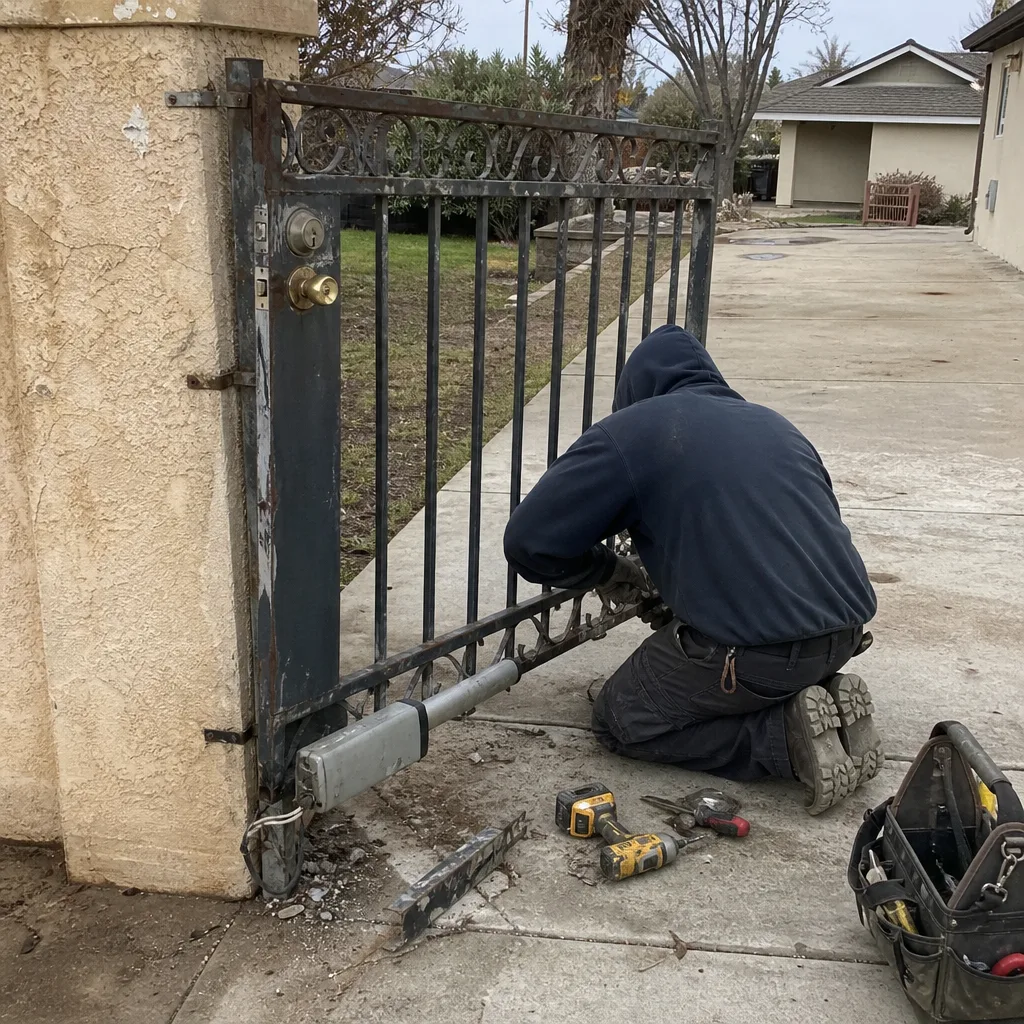 Before
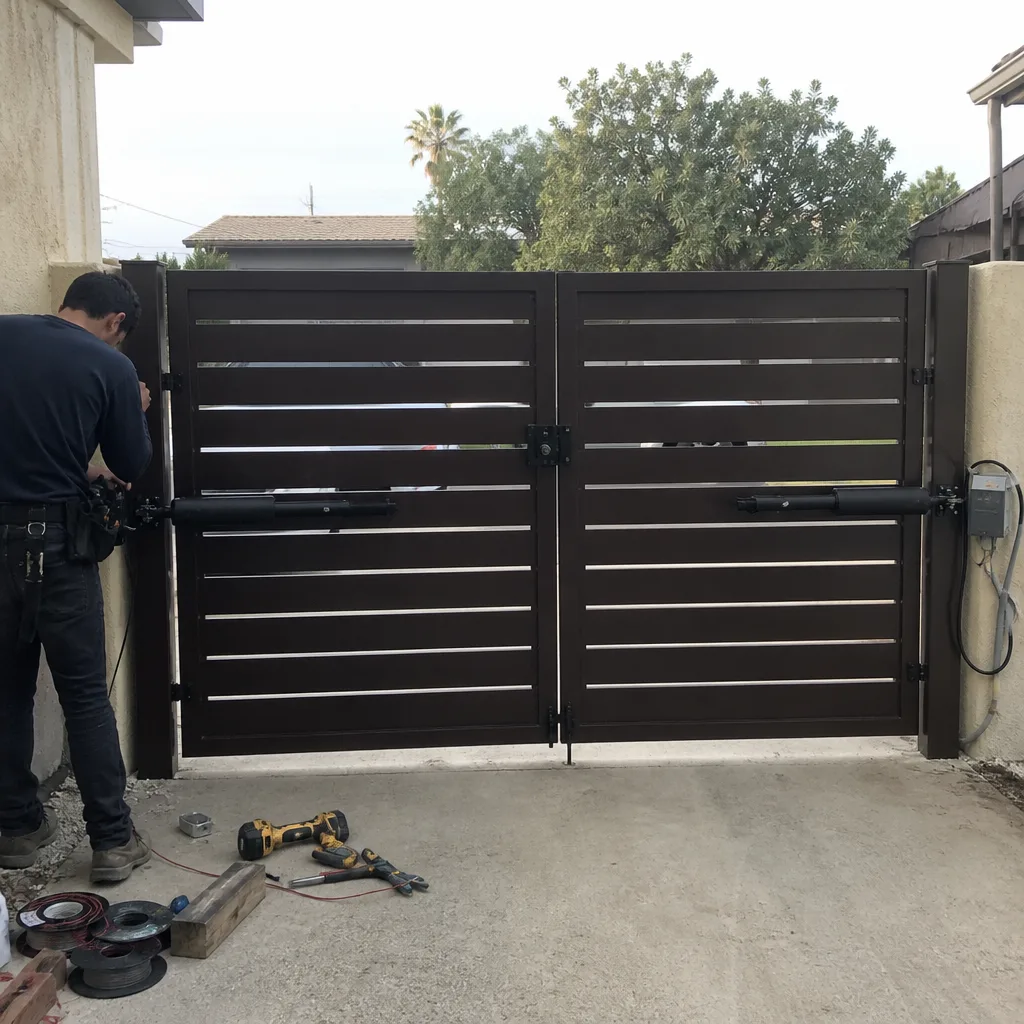 After
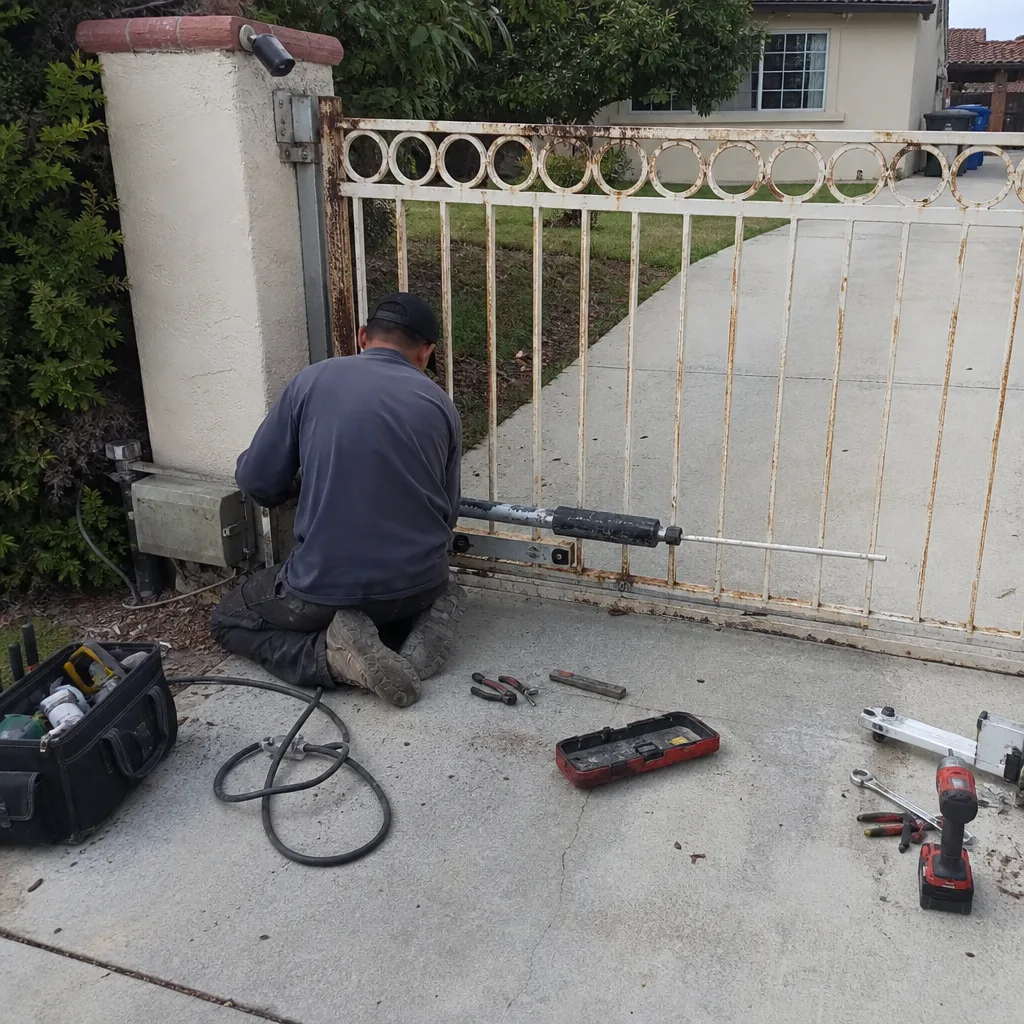 Before
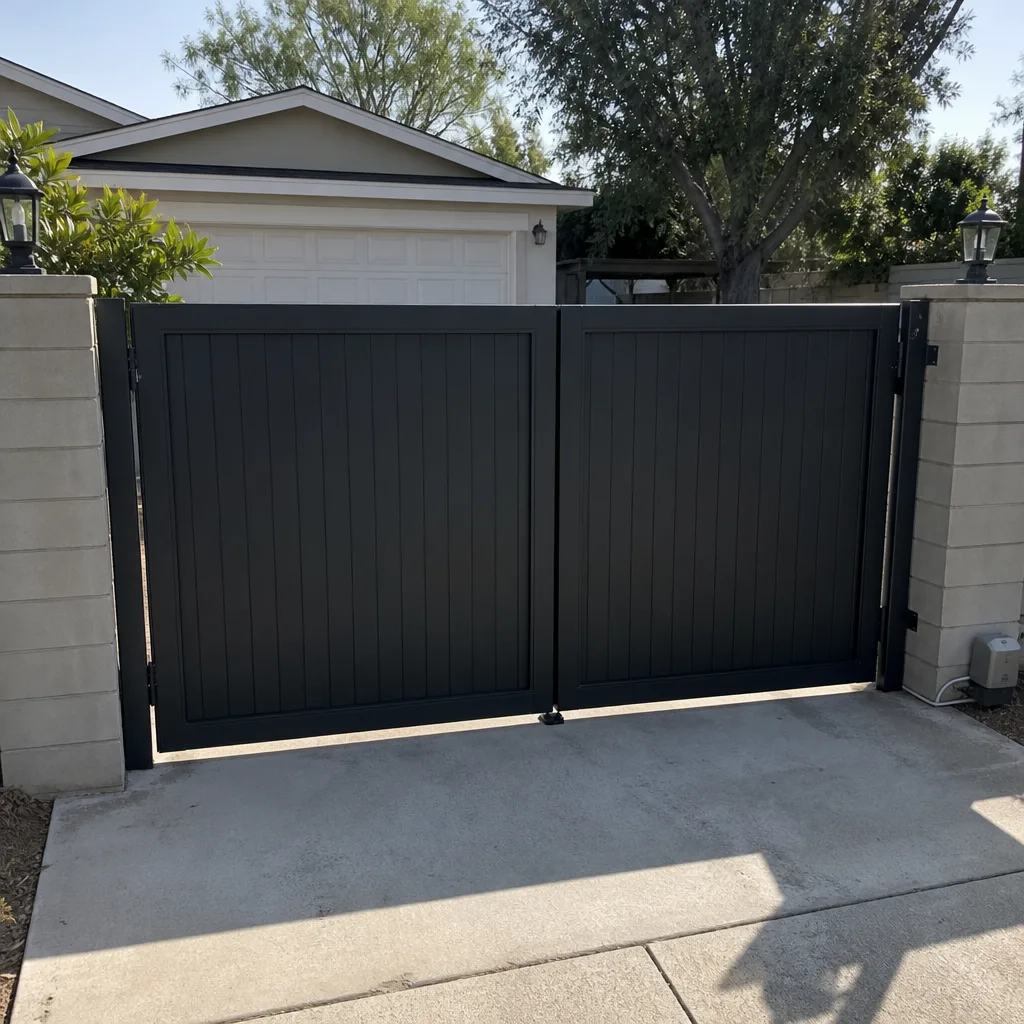 After
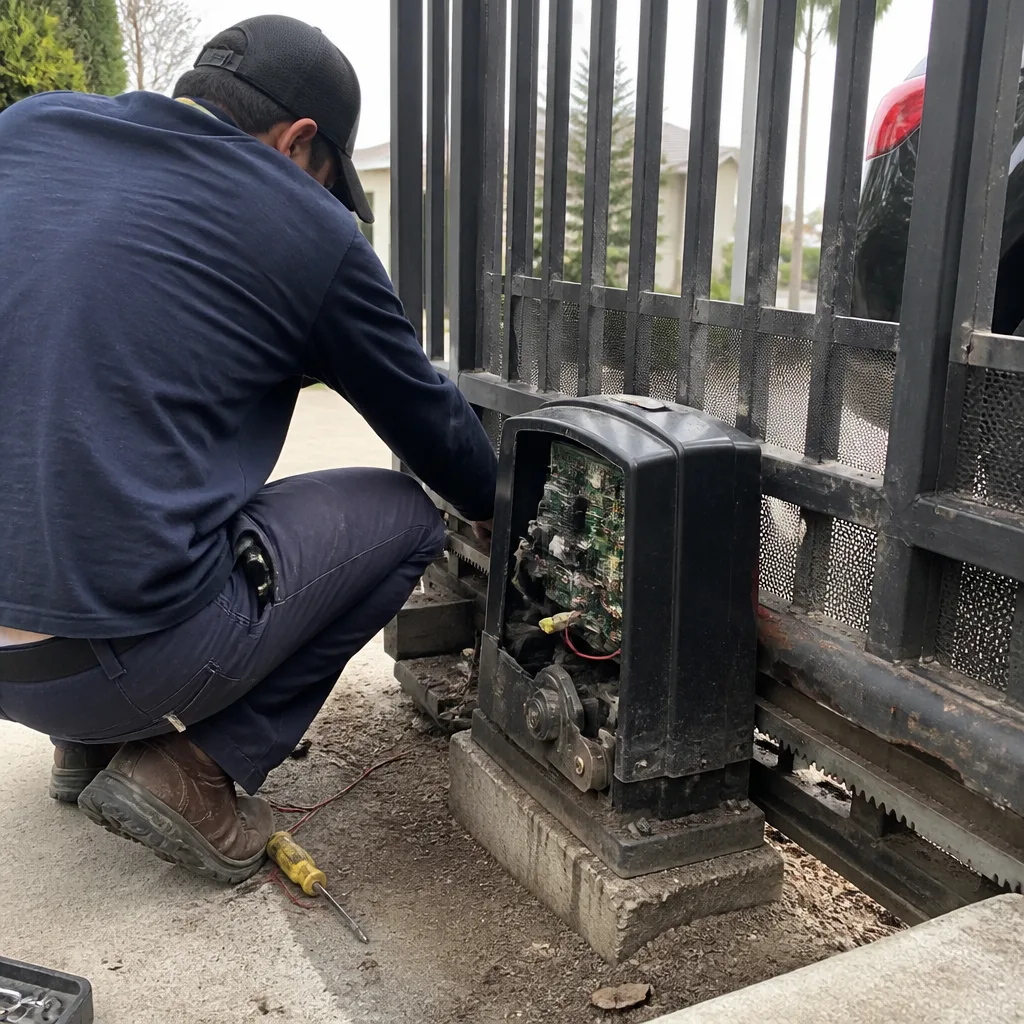 Before
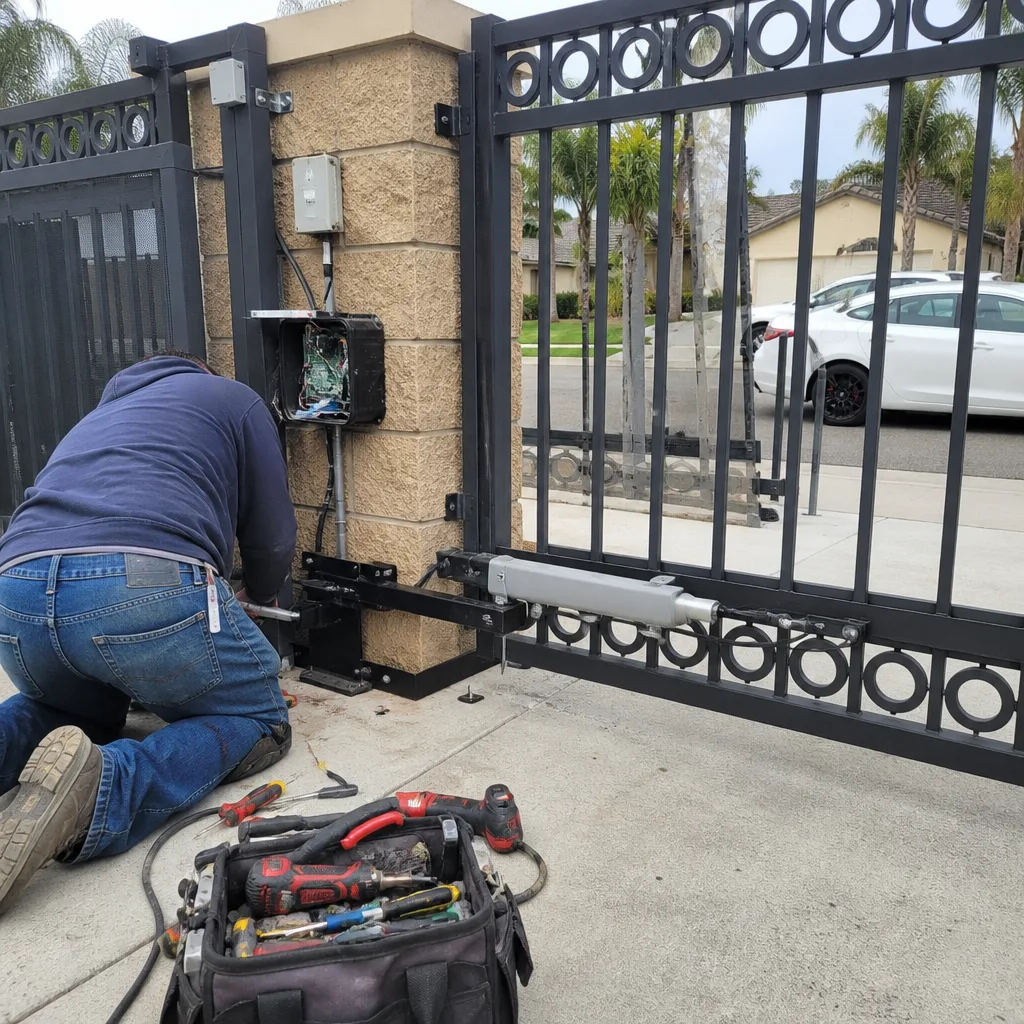 After